+86-13735376777 tosenauto@gmail.com


Facing catastrophic motor failure brings a high-stakes reality to any vehicle owner. You must carefully decide between buying a different car or replacing the motor. This tough decision requires calculating parts prices, mechanic labor, and long-term reliability. We frame the replacement process not as a simple parts purchase, but as a critical risk-management decision. Buying a bare block might seem appealing at first glance. However, hidden labor fees can quickly drain your wallet. This guide provides a mechanical and financial framework to evaluate suppliers. You will learn how to verify exact compatibility before buying. We also cover strategies to protect yourself against hidden labor costs. Understand the core differences between various block configurations. Evaluate your sourcing options carefully to secure the best deal. Make informed decisions and get your vehicle safely back on the road.
Terminology matters: Knowing the boundary lines between a short block, an engine long block, and a complete assembly prevents purchasing incompatible or incomplete units.
Verification is non-negotiable: Never buy blindly; rely on 17-digit VIN matching, scope camera inspections, and leakdown test data.
Labor costs can eclipse part costs: Sourcing a fully assembled, drop-in unit often offsets higher upfront prices by drastically reducing mechanic billing hours.
Source strategically: Whether buying a used salvage unit or engaging a professional aftermarket engine supplier, warranty terms and origin transparency are the ultimate trust signals.
Mechanics use highly specific terms to describe the physical completeness of a motor. Knowing the boundary lines between these options prevents purchasing incompatible units. You want to avoid buying an incomplete setup.
The short block represents the foundational core. It includes the heavy cast iron or aluminum block itself. It also houses the crankshaft, connecting rods, and pistons. We commonly call this the bottom end. It works best for rebuilds where the cylinder head remains perfectly healthy. Your valvetrain must be confirmed undamaged. Buying this option requires significant mechanic labor. Technicians must carefully transfer top-end components. They also have to measure bearing clearances.
An engine long block takes the short block and adds vital top-end hardware. It includes the cylinder head, camshafts, and the complete valvetrain. We recommend this for widespread internal failure. Transferring old, potentially warped heads poses too much risk. A warped head leads to immediate head gasket failure. While comprehensive, this core unit still lacks external systems. It does not include fuel rails, intake manifolds, or exhaust manifolds.
A complete engine assembly is a fully integrated, plug-and-play unit. It encompasses advanced fuel injection systems, the oil pan, and the water pump. Many modern units even include complex electrical harnesses. This route is best for minimizing vehicle downtime. It eliminates component mismatch completely. The higher upfront cost is generally neutralized by vastly reduced shop installation hours. Mechanics simply drop the motor into the bay. They bolt it to the transmission and connect the fluids.
Configuration | Included Components | Best Use Case | Labor Impact |
|---|---|---|---|
Short Block | Block, crankshaft, rods, pistons | Bottom-end failure, healthy cylinder head | High labor (transferring top-end) |
Long Block | Short block + cylinder head, camshafts, valvetrain | Widespread failure, warped heads | Medium labor (transferring manifolds) |
Complete Assembly | Long block + fuel system, water pump, oil pan | Minimizing downtime, avoiding mismatch | Low labor (plug-and-play drop-in) |
You have multiple sourcing options when shopping for a replacement car engine. Each path carries unique risks. You must weigh upfront pricing against long-term durability.
Many drivers look to salvage yards to save money. This path requires extreme caution.
Sourcing strategy: Prioritize units pulled from vehicles involved in severe side or rear-end collisions. This specific impact type serves as a strong indicator. It suggests the motor was running normally prior to the total-loss event. Front-end collisions often crack blocks or shear mounting points.
Risks: These motors always come with an unknown maintenance history. You face the real potential for glazed cylinder walls. This condition happens when a motor sits idle for years. Rubber seals also dry out over time.
Consumers often confuse rebuilt and remanufactured options. The industrial processes differ dramatically.
Rebuilt: Mechanics tear down the block and only replace the failed parts. They reuse functioning older parts. Quality heavily depends on the individual mechanic's skill level. Cleanliness during this manual assembly is a major variable.
Remanufactured: Industrial facilities machine these back to exact OEM tolerances. They bore the cylinders and use oversized pistons if cylinder scoring is present. Remanufacturing offers higher consistency. Suppliers usually back these units with standard commercial warranties.
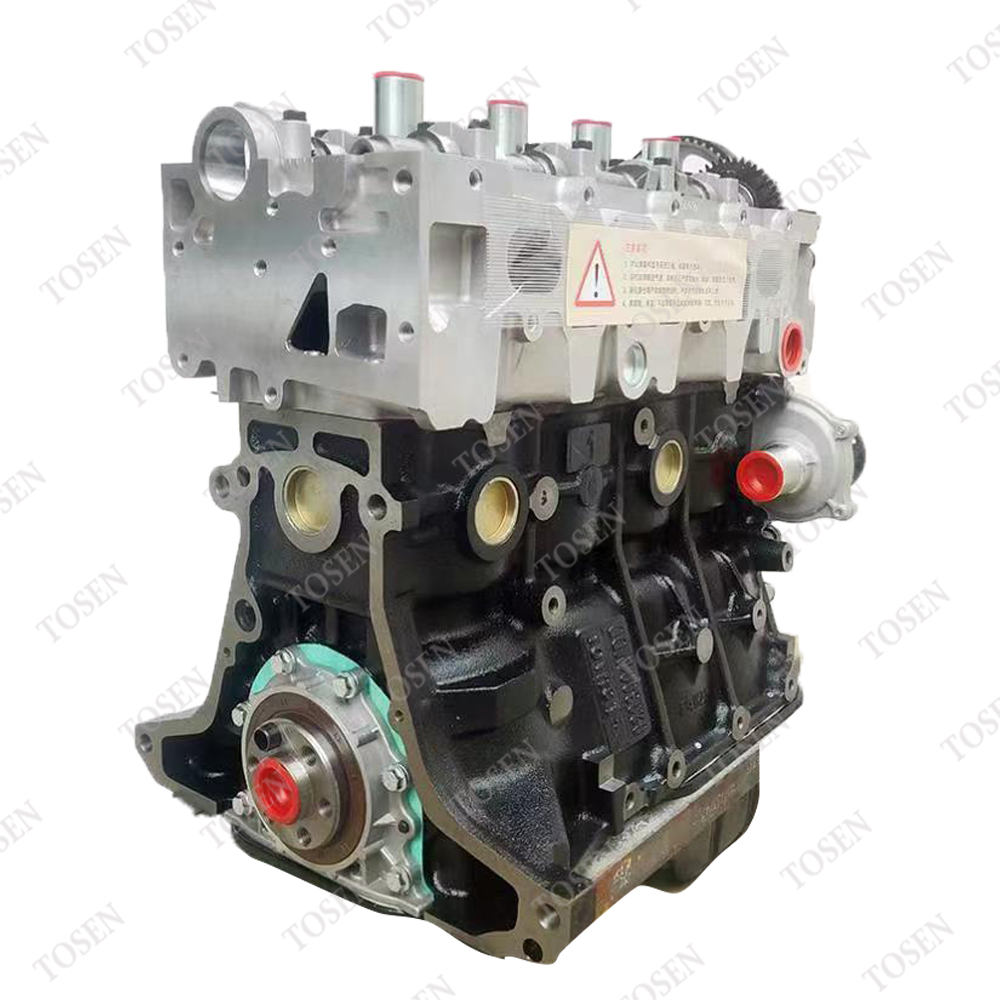
Factory-fresh units utilize modern, precision manufacturing techniques. These setups often incorporate updated engineering. Automakers frequently revise casting designs to fix known flaws. Buying new ensures you receive these vital updates. You gain ultimate peace of mind. The lifespan rivals a brand new vehicle off the showroom floor.
Never purchase a motor blindly based on a simple verbal promise. You must demand hard data. Verification protects your wallet.
Never order a unit based solely on make, model, and year. Automakers constantly change production specs mid-year. Use the 17-digit Vehicle Identification Number (VIN) instead. This exact code confirms displacement, block size, and generation changes. It reveals whether you need an emissions-compliant setup. VIN matching prevents costly return shipping fees.
If you buy a used or remanufactured motor, demand proof of internal health.
Visual Evidence: Request high-resolution borescope camera photos. You need to see the cylinder walls clearly. Original factory cross-hatching should remain visible. Deep vertical scratches indicate severe ring wear.
Pressure Data: Require a recent cylinder compression test. Better yet, ask for a leakdown test report. These are the ultimate gold standards for proving piston ring sealing. They also verify intake and exhaust valve health. A healthy motor shows minimal pressure loss.
Ensure the builder explicitly details their cleaning processes. They must explain their balancing procedures clearly. Micro-debris left in blind threaded holes causes major issues. Mechanics often snap bolts because of dirty threads. Metal shavings left in oil galleries during machining destroy bearings instantly. Cleanliness dictates the entire lifespan.
Purchasing the hardware is only one part of the financial equation. Installation costs escalate rapidly if you ignore shop billing practices.
Understand the standard labor times for a swap. A straightforward drop-in swap usually bills around 9 to 12 hours. Some repair shops might try to inflate these numbers. Quotes exceeding 15 hours warrant a request for a line-item breakdown. Ask the service advisor to justify the extra time. Compare their quote against standard industry labor guides.
Buying a short or long block forces mechanics to bill extra time. They spend countless hours stripping down your old motor. They must carefully clean and transfer old manifolds. Moving delicate sensors and rusty timing covers takes patience. Rusted exhaust bolts often snap, requiring extraction. This extra labor quickly erodes the savings of a cheaper block. A fully built car engine assembly bypasses this frustrating transfer work completely.
Always budget for new auxiliary components. Reusing worn out accessories causes immediate problems.
Budget for new rubber mounting hardware. Installing a fresh motor on degraded mounts causes severe vibration transfer. It places immense stress on the chassis. Consider upgrading to active or hydraulic mounts if applicable.
Factor in the cost of break-in oil and fresh coolant.
Purchase new gaskets for the intake and exhaust.
Replace old timing components if they are not already installed on your purchased unit.
Choosing the right vendor is just as important as choosing the block itself. A reputable aftermarket engine supplier provides transparency, documentation, and rock-solid support.
Look for facilities that utilize automated quality control systems. Robot-assisted testing removes unpredictable human error. Pay close attention to how they handle torque specifications. Ask about their fluid leak testing procedures. Consistent, computerized manufacturing standards prevent premature gasket failures. Quality suppliers gladly share their testing methodology.
A trustworthy supplier offers crystal clear protection. Look for a minimum 1-year or defined-mileage warranty. This warranty must cover the physical motor comprehensively. Ideally, it should include a labor-reimbursement clause. If the unit fails due to a manufacturing defect, you should not pay shop fees twice. Read the fine print carefully before signing. Look for exclusions regarding overheating or oil starvation.
Credible builders provide strict, documented initial start-up procedures. They outline detailed break-in protocols. For example, they advise avoiding long idling periods. Extended idling prevents new piston rings from seating properly. It leads directly to cylinder wall glazing and oil consumption. Following their exact break-in rules ensures the warranty remains valid.
Choosing a replacement requires balancing upfront completeness against hourly shop labor rates. A bare block costs less initially but heavily drives up mechanic fees. A complete drop-in motor costs more upfront but installs very quickly. You must define your exact terminology needs before shopping. Always run your precise VIN to guarantee compatibility. Demand hard evidence like leakdown test data and borescope photos. Finally, secure transparent, itemized labor quotes from your repair shop. Do this well before pulling out your credit card. Taking these proactive steps protects your financial investment. It ensures your vehicle runs reliably for years to come.
A: An overhaul kit contains individual replacement parts like pistons, rings, bearings, and gaskets. It requires a mechanic to manually rebuild your existing block. A complete engine assembly is a fully built, pre-tested motor. It arrives ready to drop into the vehicle, significantly reducing mechanic labor and vehicle downtime.
A: No. The odometer records the total distance the vehicle's chassis has traveled, not just the motor. When you swap the motor, the odometer remains unchanged. You should keep all replacement receipts to prove the new motor's actual mileage to future buyers.
A: A bare block requires your mechanic to spend countless hours stripping, cleaning, and transferring old components like manifolds and sensors. The high hourly shop rate for this transfer labor often exceeds the upfront premium you pay for a fully assembled, plug-and-play unit.
A: A quality remanufactured unit is machined back to exact factory specifications. If you follow strict break-in protocols and maintain regular oil changes, it can easily last 100,000 to 150,000 miles. It essentially offers a lifespan comparable to a brand new factory motor.
