+86-13735376777 tosenauto@gmail.com


When a 3.0L 1KD-FTV engine suffers catastrophic failure, rebuilding it piece-by-piece often results in unpredictable costs and extended vehicle downtime. Fleet managers and specialized mechanics know the sting of a prolonged bay tie-up. You need a reliable solution to get commercial vehicles back on the road safely and efficiently. We define the Toyota engine long block as the industry-standard middle ground between a bare short block and a complete, drop-in engine. It balances repair budgets while minimizing installation variables.
The core purpose of this guide is to provide procurement managers, specialized mechanics, and fleet operators with a definitive framework. You will learn how to evaluate, compare, and source a reliable 1KD engine long block tailored for your specific application. By understanding specific fitment nuances and manufacturer testing standards, you can secure a powerplant built for long-term commercial duty.
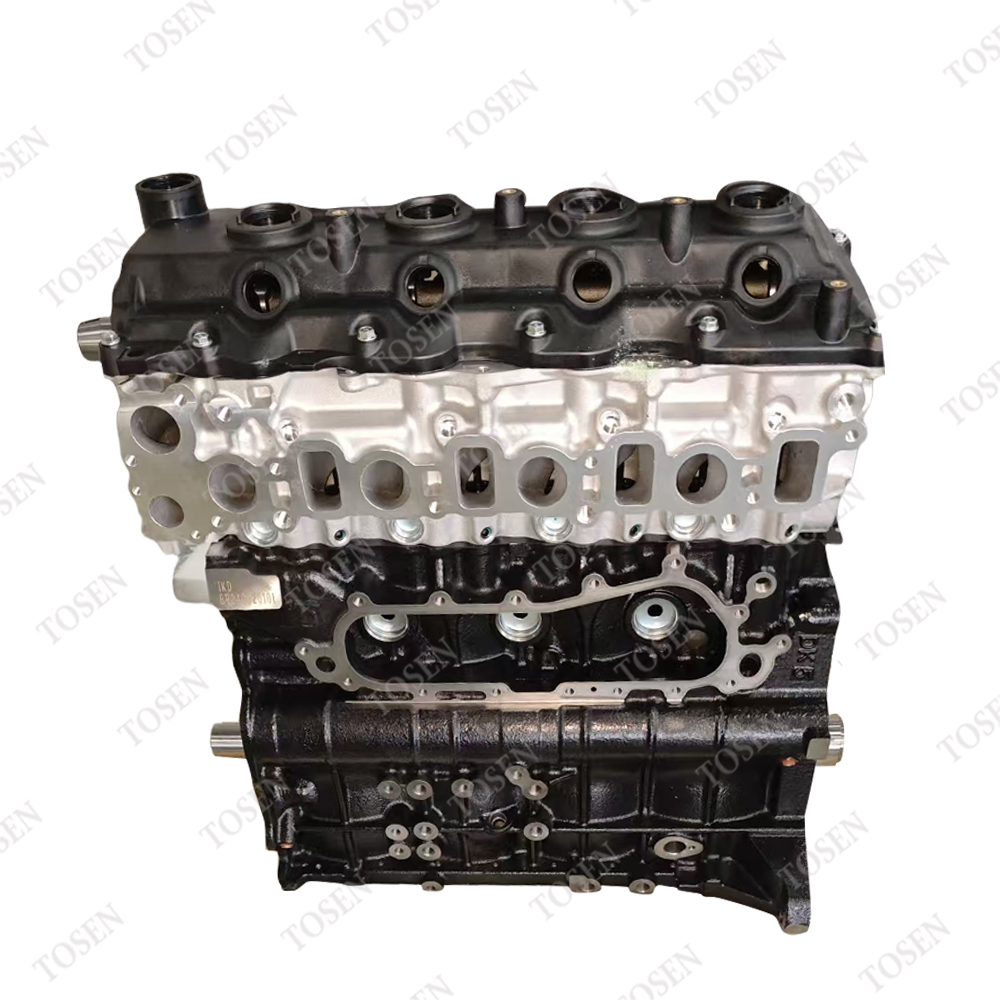
A 1KD long block includes the fully assembled cylinder block and cylinder head, but excludes bolt-on ancillaries like the turbocharger, fuel injectors, and alternator.
Opting for a long block minimizes installation error and reduces labor hours compared to custom rebuilds.
Compatibility verification is critical; oil pan configurations and sensor mounting points may vary between Hilux, Prado, and Hiace applications.
Sourcing decisions should rely on documented manufacturing tolerances, material upgrades (e.g., reinforced pistons), and transparent warranty conditions, not just unit price.
Buyers often overpay for fully dressed engines. Conversely, they heavily underestimate the high labor hours required to assemble a bare bottom end. We must look at the mechanical realities of each option to make a sound procurement choice. Misjudging the condition of your existing components leads to budget overruns.
A short block contains only the lower engine section. This includes the bare block casting, crankshaft, connecting rods, and pistons. You must transfer the old cylinder head to this new block. This carries severe mechanical risks. You might transfer warped valves or micro-cracks from the old overheated head directly onto your brand-new lower assembly.
A long block stands out as the optimal diesel engine replacement. It combines the short block with a pre-torqued, fully populated cylinder head. Factory technicians install the valves, springs, and camshafts in a cleanroom environment. This eliminates the risk of improper head gasket sealing during local shop assembly. You receive a mathematically sealed core.
A complete Toyota engine assembly includes everything needed to run. You get the high-pressure fuel systems, turbochargers, and complex electronics. However, the premium cost is often unnecessary. If the original vehicle's peripheral ancillaries remain fully functional, you do not need a complete assembly. Reusing good external parts keeps the repair financially viable.
Assembly Type | Components Included | Shop Labor Required | Ideal Scenario |
|---|---|---|---|
Short Block | Block, crank, rods, pistons. | Extensive (40+ hours). Requires full top-end rebuild. | Cylinder head is confirmed 100% pristine and flat. |
Long Block | Short block plus fully assembled cylinder head. | Moderate (15-25 hours). Transfer external parts only. | Severe internal failure, but turbo and injectors are new/good. |
Complete Assembly | Full engine, fuel rail, turbo, electronics. | Minimal (10-15 hours). Drop-in replacement. | Catastrophic fire, flood, or total systemic failure. |
Expectation management is vital for shop efficiency. You must clearly delineate what arrives on the delivery pallet. Misunderstandings cause severe project delays. We often see mechanics halt work because a vital gasket or timing chain was assumed to be in the crate. Clear communication prevents these costly bottlenecks.
You can generally expect standard inclusions across top-tier suppliers. However, always review the specific bill of materials. The core of the product focuses on internal combustion stability.
Cylinder Block Casting: A new or meticulously remanufactured block machined to strict factory tolerances.
Rotating Assembly: A balanced crankshaft, precision-matched connecting rods, pistons, and seated piston rings.
Cylinder Head Assembly: A fully torqued head containing new camshafts, valves, retainers, and lifters.
Timing Components: Timing gears or chain tensioners. (This remains supplier-dependent; verify this detail before finalizing the purchase).
Equally important are the standard exclusions. You must reuse your existing external parts or purchase them newly. Failing to account for these items will stall your installation timeline.
Fuel Injectors and Common Rail: You must replace these if they caused the initial engine failure. Reusing leaking injectors will destroy the new block.
Aspiration Systems: The turbocharger, EGR valves, and both intake and exhaust manifolds are excluded.
Electrical Components: The alternator, starter motor, and complex wiring harnesses must be transferred over.
Evaluating the exact nature of the internal damage dictates your purchasing path. We must address notorious 1KD-FTV failure points. These specific failures heavily justify a long block purchase over localized machining.
Cracked pistons and block scoring present a known vulnerability in pre-2014 1KD units. Faulty fuel injectors often trigger this catastrophic event. They wash the cylinder walls with unatomized diesel, stripping away vital lubricating oil. Heavy carbon buildup from a clogged EGR valve also compounds the thermal stress. Once the block scores deeply or the pistons crack, machining the old block wastes time and money. A long block proves much more economically viable.
Cylinder head warpage introduces another critical failure pathway. If the engine overheated severely, it warps the aluminum head beyond safe machining limits. Buying a simple short block is highly insufficient here. Attempting to bolt a warped head to a straight block guarantees immediate gasket failure. A long block resolves both top-end and bottom-end damage simultaneously.
Always compare shop labor against physical part costs. Rebuilding a heavily damaged engine locally demands massive labor hours. Mechanics must clean, measure, machine, and assemble dozens of parts. A factory-assembled long block shifts the rigorous quality control burden directly to the manufacturer. It firmly caps the labor cost of the repair, keeping overall fleet expenditure predictable.
The 1KD-FTV platform was utilized globally for over a decade. Toyota placed it successfully across multiple chassis types. Because of this widespread use, you cannot simply order a replacement by quoting the engine code alone. Internal configurations remain similar, but external packaging varies drastically.
The Toyota Hiace engine variance perfectly illustrates this common trap. A 1KD fitted in a Hiace van faces unique, tight packaging constraints. Because the engine sits directly under the passenger cabin, the oil pan shape differs drastically from a standard Hilux truck. The dipstick location relocates, and the engine mount brackets shift to accommodate the cab-over design. A standard Land Cruiser Prado unit will not drop straight into a commercial van.
Verification best practices save fleets thousands of dollars in wasted freight and modification labor. Instruct your procurement buyers to carefully cross-reference original OEM part numbers. Pull specific VIN data from the down vehicle. Confirm distinct oil sump configurations and sensor port locations with the supplier before finalizing the purchase order. This strict verification process avoids costly oil pan swapping requirements upon delivery.
Risk mitigation sits at the core of B2B purchasing. You must separate reliable, engineering-focused suppliers from high-risk, low-quality vendors. Use a structured evaluation process to protect your fleet investments.
Inspect Material Standards: Look for suppliers who explicitly state their quality control processes. Do they use standard OEM-spec cast pistons? Alternatively, have they integrated upgraded, reinforced pistons to actively prevent the classic 1KD cracking issue? Upgraded metallurgy yields longer service intervals.
Verify Industry Certifications: Demand recognized factory certifications. Require ISO 9001 or TS16949 documentation for B2B procurement. These strict frameworks guarantee standardized assembly practices and cleanroom environments.
Review Testing Protocols: Testing separates top-tier vendors from basic scrap rebuilders. Reliable vendors perform active cold-testing on the long block before securing it in the crate. They spin the engine to verify compression, check internal oil pressure, and conduct leak-down tests. Always request this testing documentation.
Analyze Warranty Support: Evaluate the warranty limitations carefully. Do they explicitly cover heavy commercial and fleet usage? Understand the exact claim process if a manufacturing defect appears post-installation. Transparent warranty policies indicate supplier confidence.
Securing the right replacement engine requires a balance of mechanical understanding and strict vendor evaluation. The long block remains the most strategic solution for heavy-duty 1KD failures. It provides factory-level internal tolerances while allowing you to salvage perfectly functional peripheral components. This approach protects repair budgets and minimizes vehicle downtime.
Before installing your newly sourced engine, we highly recommend conducting a full diagnostic of your existing fuel injectors and turbocharger. Reusing faulty, leaking ancillaries will quickly destroy a brand-new internal assembly. Finally, always reach out to certified B2B suppliers armed with exact chassis codes, VIN details, and oil pan configurations to ensure a seamless, drop-in fitment.
A: This varies significantly by manufacturer. Some premium suppliers ship the unit with the timing components completely aligned, tensioned, and installed. Others supply a bare front end, requiring your mechanic to install a brand-new timing kit locally. Always verify the exact Bill of Materials (BOM) with your chosen supplier before ordering.
A: The core cylinder block and head cast remain largely identical. However, you cannot install it directly. You will need to carefully swap the oil pan, the internal oil pickup tube, the dipstick assembly, and the engine mount brackets from the original van engine to fit the Hiace chassis.
A: A professional shop typically requires 15 to 25 hours to complete the installation. This timeframe depends heavily on shop equipment and how many external ancillaries need ultrasonic cleaning or testing. This contrasts sharply with the 40+ hours typically required for a total engine tear-down and internal rebuild.
