+86-13735376777 tosenauto@gmail.com


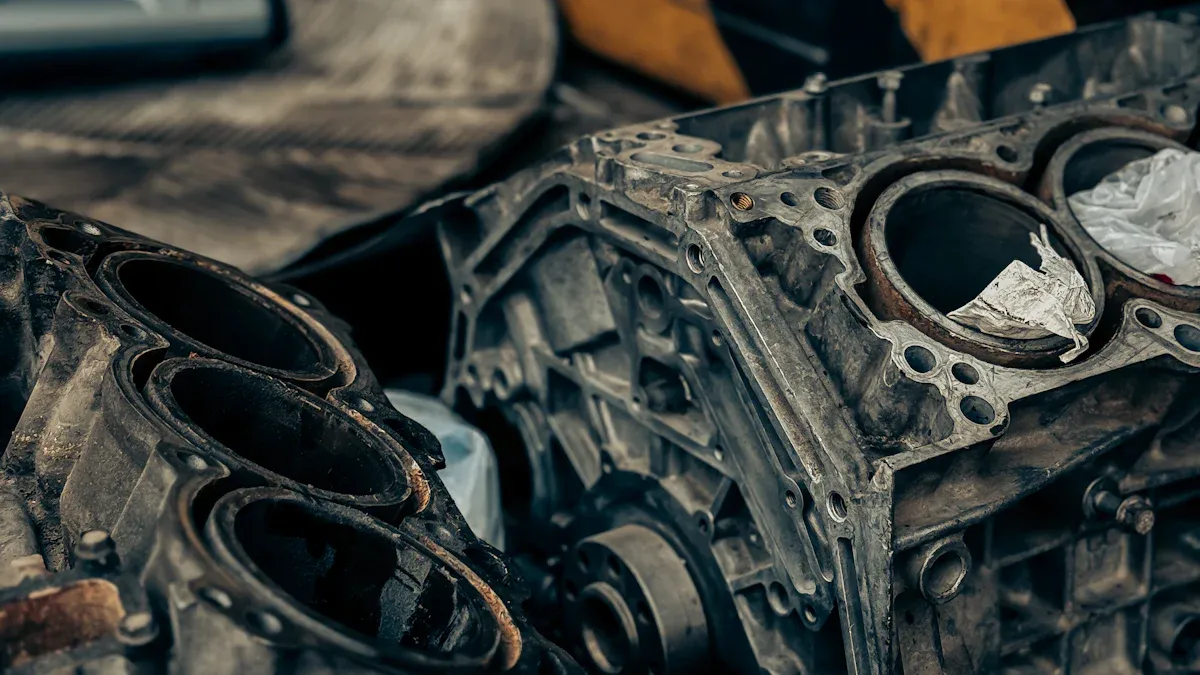
You might ask, "How can I tell if my car engine is blown?" If you see these warning signs, your car engine may have problems:
Weird sounds like knocking, ticking, or loud bangs
Hard time speeding up or losing power
Warning lights on the dashboard, like the check engine light
Smoke or steam coming out from under the hood or exhaust
Having to get gas more often than normal
Puddles under your car from leaking fluids
If you see some of these signs, stay calm. You can find out what is wrong and do things to help your car.
Look for warning signs like weird sounds or less power. Watch for dashboard lights. These can mean engine problems.
Do not ignore the check engine light. It often means there are engine issues. These need quick attention.
If your engine gets too hot, pull over right away. Turn off the engine. Overheating can cause bad damage if not fixed fast.
Notice if you use more gas than usual. If you fill up more often and do not drive more, your engine may have issues.
Watch for smoke or steam from the exhaust. Different smoke colors can mean certain engine problems. These need repairs.
Check for leaks under your car. Oil or coolant leaks can make the engine overheat and get damaged.
Take care of your car with regular maintenance. This means oil changes and checks to find problems early.
If you think your engine is blown, stop driving right away. Call a mechanic for a professional check.
When you see the check engine light pop up on your dashboard, your car is trying to tell you something is wrong. This light can mean many things, but it often points to engine trouble. You might notice the light stays on or flashes. If it flashes, you should stop driving right away. Here are some things to look for when the check engine light comes on:
The car feels different or less powerful.
You hear new noises from the engine.
The car shakes or runs rough.
Tip: Never ignore the check engine light. Even if your car seems fine, a small problem can turn into a blown engine if you keep driving.
Engine overheating is a big warning sign that something is wrong. If your temperature gauge moves into the red zone or you see steam coming from under the hood, your engine is too hot. Overheating can quickly lead to a blown engine if you do not act fast. Here are some common causes of engine overheating:
| Cause | Explanation |
|---|---|
| Coolant System Leaks | Leaks in the coolant system can prevent proper cooling, leading to overheating. |
| Bad Thermostat | A malfunctioning thermostat can restrict coolant flow, causing the engine temperature to rise. |
| Bad Radiator Fan | A failing radiator fan can reduce airflow, preventing the engine from cooling effectively. |
| Bad Water Pump | A worn or damaged water pump can hinder coolant circulation, resulting in overheating. |
If you notice your car overheating, pull over safely and turn off the engine. Let it cool down before you check anything under the hood.
You might feel your car slow down or struggle to speed up. This loss of power can make driving hard and even dangerous. Sometimes, the car will not respond when you press the gas pedal. Loss of power often happens because of problems with the fuel system, air intake, or computer errors in the car. These issues can lead to engine failure if you do not fix them. In some cases, the car may stop running completely because the computer detects a serious problem. When you notice a sudden loss of power, it is a strong sign that your car engine needs attention right away.
Have you ever felt your car shake or jerk when you stop at a red light? Maybe your car shuts off suddenly while you wait in traffic. These are signs of engine stalling and rough idling. You might notice the engine sounds uneven or feels like it is about to quit. Sometimes, the car engine vibrates more than usual, making you worry about what is happening under the hood.
Here are some things you might see or feel:
The car stalls or dies when you slow down or stop.
The engine shakes or makes strange noises while idling.
You need to restart the car often after it stalls.
The dashboard lights flicker or flash when the engine acts up.
Engine stalling can happen for many reasons. Dirty fuel injectors, bad spark plugs, or problems with the air intake can cause rough idling. If you ignore these signs, you risk bigger problems like a blown engine. When your car engine stalls often, you should get it checked as soon as possible. Fixing small issues early can save you from expensive repairs later.
Tip: If your car stalls or idles rough, try to notice when it happens. Does it happen more in cold weather or after you fill up with gas? Sharing these details with your mechanic can help them find the problem faster.
Have you noticed you need to fill up your gas tank more often, even though you drive the same routes? Decreased fuel economy is a warning sign that your car engine might not be working right. You might not see smoke or hear loud noises, but your wallet feels the difference.
Let’s look at some reasons why your car uses more fuel:
| Cause | What Happens |
|---|---|
| Carbon buildup | Blocks fuel injection or airflow, making the engine work harder. |
| Faulty sensors | Give wrong signals, causing poor fuel mix and wasted gas. |
| Dirty fuel injectors | Spray less fuel, so the engine burns more to keep running. |
| Bad air intake system | Restricts airflow, lowering engine efficiency. |
You might notice these signs:
More trips to the gas station without changing your driving habits.
The car feels sluggish or slow, almost like a loss of power.
The engine sounds different or runs rough.
Automotive research shows that carbon buildup inside the engine can make fuel injection and airflow worse, especially in older cars or those that miss regular maintenance. When you see your fuel economy drop, it often means trouble is starting. Poor fuel economy is one of the first signs that something is wrong with your car engine. If you catch this early, you can avoid bigger problems down the road.
Note: Keep track of how many miles you get per gallon. If you see a steady drop, it’s time to check your engine before it gets worse.
You can spot a blown engine by paying attention to what you see and hear. Certified mechanics say you should watch for unfamiliar noises, jolts in engine power, and big clouds of exhaust smoke or oil leaking from your car. Let’s break down these signs so you know what to look for.
Exhaust smoke can tell you a lot about your car engine’s health. The color and amount of smoke matter. If you see thick smoke coming from the tailpipe, you should not ignore it.
Here’s a quick guide to what different colors of exhaust smoke mean:
| Smoke Color | Causes | Potential Damage | Solution |
|---|---|---|---|
| White Smoke | Indicates a coolant leak, often due to a blown head gasket or cracked engine block. | Can lead to overheating and severe engine damage if unchecked. | Requires diagnostics and repairs to prevent further damage. |
| Blue Smoke | Signifies that the engine is burning oil, often due to worn valve seals or piston rings. | Can cause severe engine issues and reduced fuel efficiency. | Comprehensive diagnostics are needed to prevent further damage. |
| Black Smoke | Indicates a fuel system problem, such as a clogged air filter or malfunctioning fuel injector. | Can lead to poor fuel economy and increased emissions. | Addressing the air-to-fuel ratio imbalance is necessary to avoid costly repairs. |
If you see blue smoke, your car engine is burning oil. This usually means the valve seals or piston rings are worn out. You might notice your car uses more oil than usual. Blue smoke is a serious warning sign. You should get your car checked right away.
White smoke means coolant is leaking into the engine. This often happens when the head gasket blows or the engine block cracks. White smoke can lead to overheating and more damage. If you see this, stop driving and call a mechanic.
Unfamiliar noises from under the hood can signal trouble. You might hear squealing, knocking, rattling, or even grinding. Each sound points to a different problem.
Squealing or screeching noise may mean the serpentine belt is worn or loose.
Knocking or pinging sound often comes from problems with fuel ignition.
Rattling or tapping noise can signal issues with the valve train.
Grinding or whining noise might mean the bearings are failing.
Hissing or sizzling noise could mean a coolant leak.
Knocking is a loud, repetitive engine noise. It often means the fuel is not burning right inside the engine. If you hear knocking, you should not wait. This sound can lead to engine damage fast.
Valvetrain noise sounds like clicking or tapping. It can mean the lifters are worn or sticking. Sometimes, you hear rattling from the timing chain. These noises can hurt engine performance and may cause internal damage.
If you notice unfamiliar noises, write down when and where you hear them. Sharing this info with your mechanic helps them find the problem faster.
Fluid leaks under your car can be a big warning sign. Mechanics say leaks often come from bad seals, damaged hoses, or poor installations. If your car loses oil or coolant, the engine can’t stay cool or lubricated.
Oil leaks leave dark puddles under your car. If you see this, your engine may not get enough lubrication. Low oil can cause parts to wear out and lead to a blown engine.
Coolant leaks leave green, orange, or pink puddles. Without enough coolant, your engine can overheat. Overheating is one of the fastest ways to damage your engine.
Tip: Check under your car for puddles after you park. If you spot leaks, get your car checked before driving again.
You might hear strange noises coming from your car engine. These sounds can make you worry, and for good reason. Some noises are more serious than others. When you hear a harsh metal-on-metal grinding or a loud knocking sound, you should pay close attention. These noises often mean something inside your engine is failing. If you ignore them, you risk a blown engine.
Here are some common symptoms you might notice:
Grinding noises that sound like metal parts scraping together
Knocking sounds that repeat and get louder when you press the gas
Tapping or clicking noises that don’t go away
If you hear any of these sounds, stop driving and get your car checked. Loud or rough noises can signal engine failure. Acting fast can save you from bigger problems.
A grinding sound usually means a bearing or another important part inside your car engine is wearing out. Knocking sounds often point to trouble with the pistons or crankshaft. These issues can quickly get worse. You might feel your car shake or lose power when you hear these noises. Sometimes, the engine will stop working altogether.
Listening for rough sounds is one of the easiest ways to spot engine trouble. If you catch these warning signs early, you can avoid costly repairs and keep your car running longer.
When your car engine has compression problems, you might notice big changes in how your car runs. Compression is the pressure that builds up inside each cylinder when the engine works. If the pressure drops, your engine cannot make enough power. You may feel your car struggle to start, run rough, or lose power on the road.
You might wonder, "How do I know if my engine has compression issues?" Here are some signs you can spot:
The engine cranks but does not start.
You hear the starter spin faster than normal.
The car shakes or vibrates more than usual.
You smell fuel after trying to start the engine.
Low compression can happen for many reasons. Sometimes, the piston rings wear out and let air escape. Other times, the valves do not close all the way, so the pressure drops. A blown head gasket or a cracked engine block can also cause compression problems. These issues often mean your engine is in serious trouble.
Mechanics use special tools to check for compression issues. One tool is a leakdown tester. This device helps find out where air escapes from the engine. If air leaks past the piston rings or valves, you get low compression. Sometimes, you see bubbles in the coolant during a leakdown test. This means the head gasket is blown or the cylinder head is cracked. Both problems can lead to engine failure.
Here’s what a leakdown test can reveal:
Air escaping from the oil filler cap points to worn piston rings.
Air coming out of the exhaust means the exhaust valve is not sealing.
Air hissing from the intake shows the intake valve is leaking.
Bubbles in the coolant suggest a blown head gasket or cracked head.
Tip: If your mechanic mentions low compression or finds bubbles in the coolant, ask them to explain what it means for your engine. These signs often mean you need major repairs.
Compression issues do not always show up right away. Sometimes, your car runs fine for a while, then starts acting up. If you notice any of these symptoms, do not wait. Get your engine checked as soon as possible. Catching compression problems early can save you money and keep your car running longer.
If you want to avoid engine failure, pay attention to how your car starts and runs. Strange sounds, rough idling, or trouble starting can all point to compression issues. Stay alert and talk to your mechanic if you notice anything unusual.
You can start by checking a few key areas under the hood. These simple steps help you spot trouble before you need expensive repairs. Grab a flashlight and look closely at these parts:
| Inspection Area | What You Should Do |
|---|---|
| Air Intake System | Make sure all the ductwork fits tightly. No gaps or loose hoses. |
| Emission Controls | Look at the parts for damage. Service them if they look worn or out of place. |
| Engine Lubrication System | Check the oil level. Is it low or dirty? Look for leaks around the engine. |
| Engine Mechanical Items | Inspect belts and hoses. Are they cracked or loose? Adjust or replace as needed. |
| Fuel System | Check fuel lines and connections. Make sure nothing is leaking or broken. |
| Ignition System | Look at spark plugs and wires. Replace any that look burned or damaged. |
| Electronics | Check battery cables and wiring. Everything should be tight and clean. |
Tip: If you see oil or coolant leaks, or if belts look worn, you should get your car checked by a mechanic soon.
These steps help you catch problems early. You might find a loose hose or a puddle of oil. Fixing small issues now can save you from a blown engine later.
Compression testing is a smart way to check your engine’s health. You can ask a mechanic to do this, or you can use a tester if you feel confident. Here’s how it works:
The test measures how much pressure builds up inside each cylinder.
Healthy engines show similar pressure in all cylinders, usually within 10% of each other.
If one or more cylinders have much lower pressure, your engine may have serious damage.
A mechanic will run the test when the engine is warm. This gives the most accurate results. If the numbers are off, the mechanic might do a leakdown test next. This test helps find out exactly where the air is escaping.
If you see big differences in pressure between cylinders, you could have a blown head gasket, worn piston rings, or a cracked engine block. These problems often mean your engine needs major repairs.
Note: Compression testing is one of the best ways to spot engine trouble before it gets worse. If you notice your car running rough or losing power, ask your mechanic about this test.
Sometimes, you need an expert to figure out what’s wrong. Here’s when you should call a professional:
The check engine light comes on or flashes.
You see fluid leaks under your car, like oil or coolant.
Your car loses power, shakes, or has trouble starting.
You hear strange noises, like knocking or tapping.
A mechanic has special tools and training. They can scan your car’s computer, run tests, and find problems you might miss. If you notice any of these signs, don’t wait. Getting a professional diagnosis can help you avoid bigger repairs and keep your car safe.
Callout: If you ever feel unsure about what you see or hear, trust your instincts. It’s always better to ask for help than risk driving with a damaged engine.
You can do basic checks and listen for warning signs. If you still think your car has a blown engine, let a professional take a look. They can confirm the problem and help you decide what to do next.
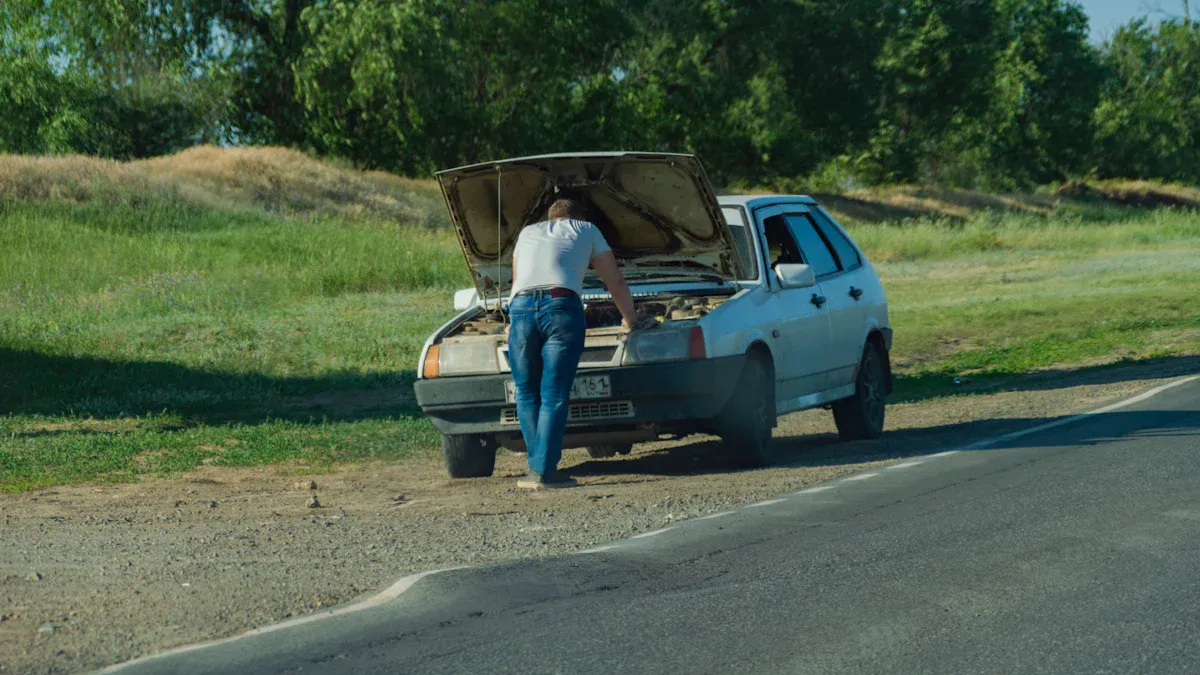
If you think your car engine is blown, the first thing you should do is stop driving right away. Keep your safety in mind. Pull over to a safe spot and turn off the engine. Driving with a blown engine can make things much worse. For example, if you see steam coming from the hood or notice the temperature gauge in the red, you need to act fast. Ignoring these signs can turn a small repair into a huge problem. Sometimes, what starts as a blown head gasket can lead to even more damage. You might end up needing a whole new engine if you keep driving. It is always better to stop and check than to risk bigger repairs later.
Tip: If you see smoke, steam, or strange smells, do not try to drive to a shop. Call for help instead.
Once you have stopped your car, you need to reach out to a mechanic. Try to stay calm when you talk to them. Give as much information as you can about what happened. Here are some things you should share:
Tell the mechanic what you saw, heard, or smelled.
Let them know if you noticed any warning lights or leaks.
Share any recent repairs or problems with your car.
Ask questions if you do not understand what they say.
If you feel unsure about the first shop’s answer, you can always get a second opinion. Sometimes, another mechanic may spot something different. If that happens, let the first shop know what you learned. Good communication helps you get the best care for your car.
Note: Write down details before you call. This helps you remember everything and makes it easier for the mechanic to help you.
Now you have a big decision to make. Should you repair your engine or replace it? Think about these points before you choose:
How old is your car? If your car is older and not worth much, a new engine might not make sense.
Will a new or repaired engine help you save on gas? Sometimes, fixing or replacing the engine can give you better fuel efficiency.
Do you want to sell your car soon? A car with a new engine can be worth more.
How bad is the damage? If the damage is very serious, replacement might be the only option.
Is your car in good shape otherwise? If yes, a new engine can help your car last longer.
What about the cost? Repairs often cost less at first, but you might pay more over time if problems keep coming back. Replacement costs more up front, but you could save money on future repairs.
Take your time and ask your mechanic for advice. They can help you weigh the pros and cons. Remember, every situation is different. The right choice depends on your car, your budget, and your plans.
When you find out your car engine is blown, you probably want to know how much it will cost to fix. The price can change a lot depending on your car and the damage. Let’s break down what affects the cost so you can plan ahead.
Here are the main things that change the price:
Type of Car: Some cars need special parts. Luxury or imported cars usually cost more to fix.
Age of Car: Older cars might need extra work. Sometimes, parts are hard to find.
Extent of Damage: Small repairs cost less. If the whole engine is ruined, you pay more.
Labor Costs: Mechanics in big cities often charge more. Shops with lots of experience may also have higher rates.
Parts Needed: New parts cost more than used ones. Some engines need rare or custom parts.
Warranty: If your car has a warranty, you might pay less. Always check before you agree to repairs.
You might wonder, “Should I repair or replace my engine?” Here’s a quick look at the average costs:
| Option | Typical Cost Range | What’s Included |
|---|---|---|
| Engine Repair | $700 – $2,500 | Fixing damaged parts, labor |
| Engine Replacement | $6,287 – $12,878 | New or rebuilt engine, labor |
| Average Replacement | About $7,850 | Most vehicles in the US |
If you only need a small repair, you could pay as little as $700. Bigger repairs might reach $2,500. If you need a whole new engine, the price jumps. Most people pay between $6,287 and $12,878 for a replacement, depending on the make and model. The average cost sits around $7,850.
Tip: Always ask your mechanic for a detailed estimate. Make sure you know what parts and labor are included. Sometimes, extra fees pop up later.
You should also think about hidden costs. Sometimes, fixing a blown engine means you need new hoses, belts, or sensors. These add to the total price. If your car is older, you might need more repairs soon. That’s why some people choose to replace the engine or even buy a new car.
If you feel unsure, compare prices from different shops. Ask questions about warranties and parts. You can save money by choosing a rebuilt engine or used parts, but make sure they come from a trusted source.
Remember, the cheapest option isn’t always the best. Quality repairs help your car last longer and run better. Take your time, look at all the costs, and pick what works for you.
You want your car engine to last a long time. The best way is to follow a regular maintenance plan. Taking care of your car helps you avoid big problems later. You might wonder which steps are most important. Studies show that simple habits can really help.
Here’s a table that shows the best maintenance practices and their benefits:
| Maintenance Practice | Benefit |
|---|---|
| Regular oil changes | Prevents engine damage and enhances performance. |
| Maintaining brake fluid levels | Ensures safety and optimal braking performance. |
| Adhering to a scheduled plan | Mitigates risk of automotive issues and enhances fuel efficiency. |
| Keeping detailed records | Aids in maintaining vehicle performance and longevity. |
| Regular inspections | Identifies potential risks early, contributing to safe driving conditions and longevity. |
You should change your oil when it is time. Clean oil helps the engine parts move well. If you skip oil changes, dirt builds up fast. That can ruin your engine. Always check your brake fluid, too. Low fluid makes stopping harder. Follow your car’s maintenance schedule to catch problems early. Write down every service and repair. These notes help you and your mechanic see patterns or issues. Regular inspections help you find leaks or worn belts before they get worse.
Tip: Set reminders for oil changes and inspections. Use your phone or a calendar. Staying organized helps you avoid surprises.
You can spot problems early if you pay attention. Experts say you should watch for these things:
Strange noises from the engine
Dashboard warning lights
Lower performance from your car
If you hear odd sounds, like knocking or ticking, do not ignore them. Your car may be telling you something is wrong. When a warning light comes on, check your manual or ask a mechanic. Even if your car still runs, a warning light means you should look closer. If your car feels slow or does not speed up like before, check the engine.
Ignoring these signs can lead to bigger and more costly repairs. When you catch problems early, you save money and keep your car running longer. Small things, like a weird noise or a blinking light, can turn into major engine failures if you wait too long.
Note: Trust your gut. If something feels wrong, get it checked. Finding problems early is the best way to stop engine damage.
You do not need to be a car expert to keep your engine healthy. Just pay attention, follow your maintenance plan, and act fast when you notice something strange. Your car will run better and break down less often.
You want a fast way to spot engine trouble? Here’s a simple checklist you can use right now. Just look, listen, and pay attention to how your car feels. If you notice any of these signs, your engine might need help.
You can catch many engine problems just by looking at your car. Here’s what you should check:
Overheating Engine
Watch your temperature gauge. If it climbs into the red, your engine could be in trouble.
Milky Oil or White Sludge
Pull out the oil dipstick. If you see milky or frothy oil, coolant might be mixing with the oil. This is a big warning sign.
White Exhaust Smoke
Look at your tailpipe. Thick white smoke often means coolant is leaking into the engine.
Loss of Power or Poor Engine Performance
If your car feels weak or slow, something could be wrong inside the engine.
Bubbles in the Coolant Reservoir
Open the hood and peek at the coolant tank. Bubbles can mean exhaust gases are getting into the cooling system.
External Coolant or Oil Leaks
Check under your car for puddles. Oil or coolant leaks around the engine area are never good.
Check Engine Light
If this light comes on, your car is trying to warn you.
Tip: If you spot milky oil, bubbles in the radiator, or frequent drops in coolant levels without visible leaks, get your car checked as soon as possible.
Your ears can help you catch engine problems early. Listen for these sounds:
Knocking or Banging: Loud knocks often mean serious engine trouble.
Tapping or Clicking: Repetitive tapping can point to valvetrain issues.
Grinding: Metal-on-metal sounds are never normal.
Hissing or Sizzling: These noises may signal leaks or overheating.
If you hear any of these, don’t ignore them. Strange sounds usually mean something inside the engine isn’t working right.
How your car drives can tell you a lot about the engine’s health. Watch for these changes:
Misfires or Rough Idling: The engine shakes or feels uneven when you stop.
Loss of Power: Your car struggles to speed up or feels sluggish.
Engine Won’t Start: You turn the key, but the engine just cranks or spins faster than usual.
Poor Fuel Economy: You find yourself filling up more often, even though you drive the same routes.
Here’s a quick table to help you remember the most common symptoms:
| Symptom | What It Means |
|---|---|
| Milky or frothy oil | Coolant mixing with oil |
| Loss of coolant | Coolant disappearing without visible leaks |
| Bubbles in radiator | Exhaust gases in the cooling system |
| Poor engine performance | Misfires, rough idling, loss of power |
| External leaks | Oil or coolant leaks around the engine area |
Note: If you notice more than one of these signs, your engine could be in serious trouble. Don’t wait—get it checked by a mechanic.
This checklist makes it easy to spot blown engine symptoms before things get worse. Trust your eyes, ears, and how your car feels. Quick action can save you time, money, and stress.
You’ve learned how to spot engine trouble and what steps to take next. Here’s a quick table to help you remember the essentials:
| Key Point | Description |
|---|---|
| Symptoms | Coolant in oil, engine won’t start, strange noises |
| Types of Failures | Blown pistons, holes in engine block, broken timing belts |
| What to Do | Get expert diagnosis if you see these signs |
If you notice any of these, act fast and reach out to a mechanic. Stay calm, trust your instincts, and keep your car safe.
A blown engine means your car’s engine has serious damage. It can’t run right or start at all. You might need big repairs or a full replacement.
No, you shouldn’t drive with a blown engine. You risk more damage and higher repair costs. Stop your car and call a mechanic for help.
Costs vary. Small repairs might be $700. Full engine replacements can reach $12,000. Ask your mechanic for a detailed estimate before you decide.
Common causes include overheating, oil leaks, missed maintenance, and worn parts. Ignoring warning signs can make things worse. Regular checks help prevent engine failure.
Most car insurance plans don’t cover engine failure from wear or lack of maintenance. Some extended warranties might help. Check your policy or ask your provider.
Change your oil, check fluids, and listen for strange sounds. Follow your car’s maintenance schedule. Early action keeps your engine healthy.
Look for smoke, knocking sounds, loss of power, and warning lights. If you see leaks or your car runs rough, get it checked soon.
Sometimes, yes. If the damage is small, repairs work. If the engine has major problems, you might need a replacement. Your mechanic will guide you.
