+86-13735376777 tosenauto@gmail.com


Manual transmissions offer a unique driving experience, offering complete control over gear shifts and fuel efficiency. For driving enthusiasts, manual transmission vehicles provide the ultimate connection to the car, enabling better engagement, performance, and enjoyment. Unlike automatic transmissions, which shift gears automatically, a manual transmission requires the driver to engage the clutch and select the proper gear. Mastering the art of using a manual transmission can significantly enhance your driving experience while also improving the longevity and fuel efficiency of your vehicle. In this article, we will explore the fundamentals of how a manual transmission works, the best practices for using it smoothly, common mistakes to avoid, and the benefits it provides. If you're driving a Manual Transmission for Geely GX7 - S148, S160G, S160, you'll find tips specific to your vehicle’s system to ensure smooth driving.
A manual transmission is a type of vehicle transmission system that requires the driver to manually shift gears. It consists of a gear stick and a clutch pedal, which the driver uses to select the gear needed for the desired speed. In contrast to automatic transmissions, which do all the shifting for you, a manual transmission gives the driver full control over gear changes.
In a manual transmission system, the clutch serves as a link between the engine and the wheels. When the clutch pedal is pressed, it disengages the engine from the wheels, allowing the driver to change gears. Once the pedal is released, the engine and wheels are re-engaged, allowing the car to move at the selected speed.
The gear stick is used to select the appropriate gear, ranging from first to sixth gear (or higher in some systems), depending on the vehicle's speed and driving conditions. Gears in a manual transmission are sequential, meaning the driver must shift through the gears in a specific order.
Learning to drive a manual transmission requires some practice and familiarity with the vehicle's controls. Below, we’ll break down the process into simple steps to help you use your manual transmission smoothly.
Starting a car with a manual transmission can seem intimidating at first, but once you understand the process, it becomes second nature. Here’s how to get started:
Press the clutch pedal fully to disengage the engine from the wheels.
Shift into first gear using the gear stick. This is the gear you’ll use when starting from a complete stop.
Gradually release the clutch pedal while simultaneously pressing the accelerator gently. This is the most crucial part of starting smoothly—releasing the clutch too quickly can cause the car to stall.
Once the clutch is fully released, you’ll be moving in first gear. From here, you can continue to accelerate and shift to higher gears as needed.
Tip: To avoid stalling, practice balancing the clutch and accelerator until you can release the clutch smoothly without the engine losing power.
Shifting gears smoothly is an essential skill for driving a manual vehicle. Here are the key steps to changing gears:
Press the clutch pedal fully to disengage the engine from the wheels.
Shift the gear stick to the desired gear. For example, when accelerating, you will need to shift from first to second, third, and so on.
Release the clutch slowly while simultaneously pressing the accelerator. The key to a smooth gear change is timing—if you release the clutch too quickly or press the accelerator too harshly, the car will jerk.
Tip: When shifting gears, use rev matching—a technique that involves slightly increasing the engine’s RPM (revolutions per minute) to match the gear change. This makes the transition between gears much smoother.
Stopping a manual transmission vehicle requires a bit more coordination than an automatic. Here’s how to stop smoothly:
Press the clutch pedal fully when you need to stop to disengage the engine.
Shift into neutral before coming to a complete stop.
Once the vehicle is stopped, release the clutch and engage the parking brake to prevent rolling.
For parking on a hill, you may also need to downshift into a lower gear to prevent the car from rolling. Additionally, when parking on a slope, use the heel-toe technique to keep the vehicle stationary by engaging the parking brake and releasing the clutch simultaneously.
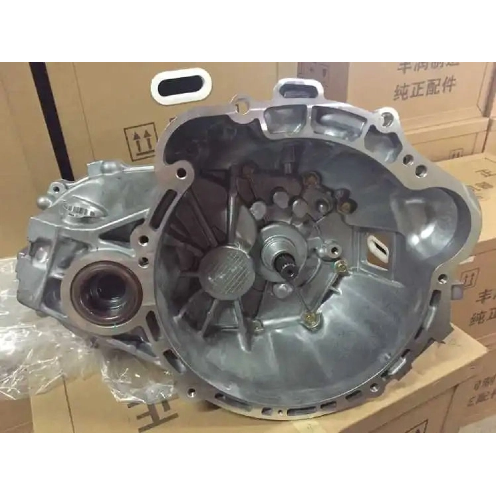
While driving a manual transmission may seem straightforward, there are several common mistakes that can affect performance and cause unnecessary wear on the clutch and transmission.
One of the most common mistakes is “riding the clutch,” which occurs when the driver keeps the clutch pedal partially pressed while driving. This unnecessary friction wears down the clutch and leads to premature failure. To avoid this, always ensure the clutch pedal is fully released when not shifting gears.
Jerky gear changes happen when the clutch isn’t fully engaged or disengaged before shifting gears. This can be caused by releasing the clutch too quickly or shifting too abruptly. To avoid jerky shifts, always ensure that the clutch is fully pressed before changing gears and release it gradually while pressing the accelerator smoothly.
Repeatedly shifting gears incorrectly or abruptly can lead to excessive wear on the clutch. It’s essential to practice smooth shifting to extend the life of your clutch. Be mindful of the proper shifting techniques, especially when driving at lower speeds or in stop-and-go traffic.
There are several advantages to driving a manual transmission, which is why many driving enthusiasts prefer it over automatic transmissions. Let’s explore some of the benefits:
One of the primary benefits of a manual transmission is the level of control it gives the driver. Unlike an automatic transmission, where the vehicle shifts gears on its own, a manual transmission allows you to choose the appropriate gear for any given situation. This makes driving more engaging, especially on winding roads or challenging terrains.
Manual transmissions are generally more fuel-efficient than automatic transmissions because they don’t require additional power to shift gears automatically. In addition, manual transmissions are better suited for off-road driving and steep hills, as they provide more control over the vehicle’s power and speed.
Manual vehicles, such as the Manual Transmission for Geely GX7 - S148, S160G, S160, are perfect for drivers who want to maximize their vehicle’s performance and efficiency.
For those looking for a high-performance manual transmission system, the Manual Transmission for Geely GX7 - S148, S160G, S160 is an excellent choice. Here’s a quick comparison between the Geely GX7’s manual transmission and standard manual systems:
Feature | Generic Manual Transmission | Geely GX7 S148/S160G/S160 |
Shift Precision | Standard | Smooth & Precise |
Durability | Medium | High Torque Capacity |
Compatibility | Generic | Geely GX7 Series |
Driving Feel | Common | Enhanced Control |
The Manual Transmission for Geely GX7 - S148, S160G, S160 offers smoother shifting, better control, and higher durability, making it the ideal choice for those looking to enhance their driving experience.
Mastering the use of a manual transmission not only improves your driving experience but also contributes to better vehicle control and efficiency. By understanding the essential skills and benefits of driving with a manual transmission, you can make the most of your vehicle, whether you're tackling challenging roads or simply enjoying the ride. If you’re interested in upgrading your vehicle with the Manual Transmission for Geely GX7 - S148, S160G, S160, don’t hesitate to contact us for more information.
What is the main difference between a manual and automatic transmission?
A manual transmission requires the driver to manually shift gears, while an automatic transmission shifts gears automatically without driver input.
How do I prevent the clutch from wearing out prematurely?
Avoid riding the clutch and make sure to fully disengage it when shifting gears.
What are the benefits of driving a manual transmission vehicle?
Manual transmissions offer greater control, better fuel efficiency, and improved performance in challenging driving conditions.
Why is the Manual Transmission for Geely GX7 a good choice?
The Manual Transmission for Geely GX7 - S148, S160G, S160 offers precise shifting, high torque capacity, and enhanced driving control, making it ideal for performance-driven drivers.
