+86-13735376777 tosenauto@gmail.com


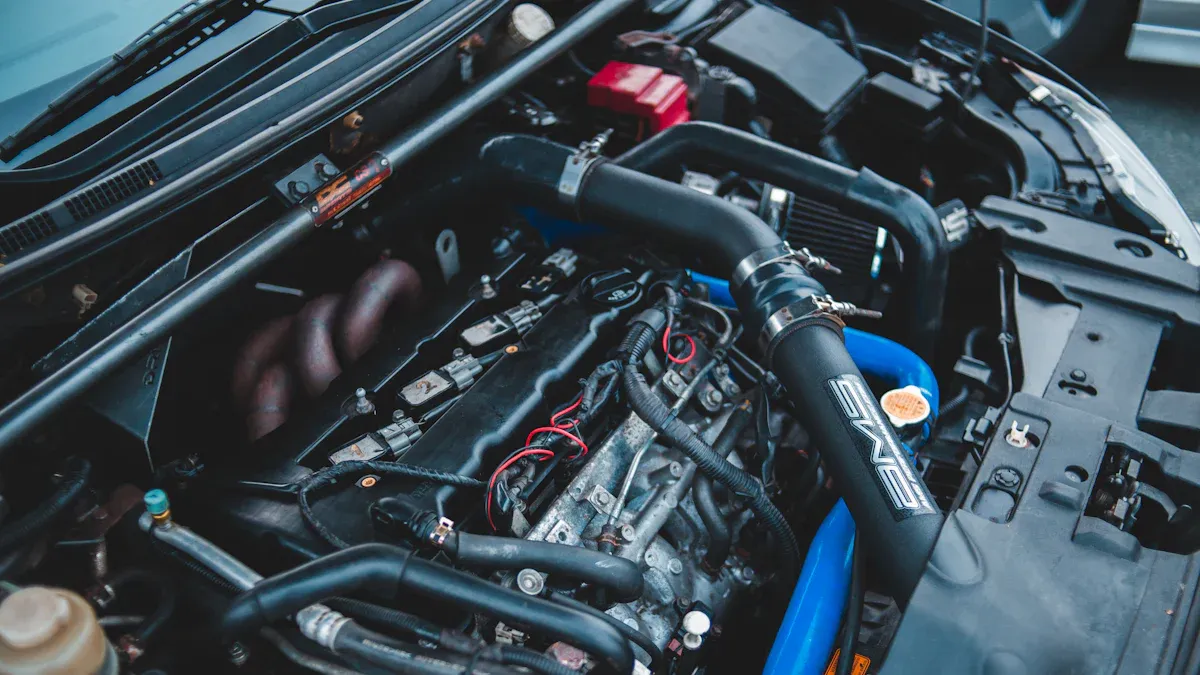
Most cars have between two and four engine mounts. Some vehicles can have up to eight. You might wonder why the number changes. It depends on your car’s make, model, and engine layout. If you know how many Engine Mounts your car has, you can spot problems early and plan for repairs.
Tip: Understanding your car’s setup saves you time and money during maintenance.
Most cars have between two and four engine mounts, but some can have up to eight. Knowing your car's count helps with maintenance.
Engine mounts support the engine's weight and absorb vibrations, ensuring a smoother ride and protecting other car parts.
Regularly check your engine mounts for signs of wear, such as cracks or leaks, to prevent costly repairs and maintain safety.
Consult your owner's manual to locate engine mounts and understand their specific maintenance needs for your vehicle.
If you notice increased vibrations or unusual noises, it may indicate that your engine mounts need attention or replacement.
You can perform a simple visual inspection of your engine mounts at home to catch potential issues early.
Choosing the right type of engine mount—rubber, hydraulic, or electronic—can enhance your car's performance and comfort.
Building a good relationship with your mechanic can help you stay informed about your engine mounts and overall vehicle health.
When you look at most cars on the road today, you will find that they usually have four engine mounts. Some cars might have as few as two, while others can have up to six. The average car sits right in the middle, with four to six mounts holding the engine in place. This setup gives your engine the support it needs and helps keep vibrations low while you drive.
Note: If you drive a popular sedan or compact car, you probably have four engine mounts under the hood.
Not every car uses the same number of mounts. The number can change based on the type of vehicle you drive. Here are a few examples:
Small cars and compact sedans often use two to four mounts.
SUVs and trucks usually need four to six mounts because their engines are heavier.
High-performance or luxury cars sometimes have up to eight mounts for extra stability and smoother rides.
You might notice that more expensive or powerful cars use more mounts. This helps them handle bigger engines and deliver a quieter, smoother ride.
You can find engine mounts in key spots around your engine bay. Most cars place one mount on each side of the engine. Some have an extra mount at the front or back for extra support. In larger vehicles, you might see mounts at each corner of the engine. This design spreads out the weight and keeps the engine steady.
If you ever peek under the hood, look for rubber or metal brackets connecting the engine to the frame. These are your engine mounts, working hard to keep everything in place.
You might think of engine mounts as simple brackets, but they do much more than just hold your engine in place. Engine mounts act like the strong, silent heroes under your hood. They keep your engine steady while you drive, even when you hit bumps or make sharp turns. When your engine runs, it creates a lot of movement and vibration. Without mounts, you would feel every shake and rattle inside the cabin.
Engine mounts absorb these vibrations and stop them from reaching you and your passengers. They use special materials, like rubber or hydraulic fluid, to cushion the engine. Some modern cars even use electronic mounts that adjust in real time to cancel out extra vibrations. Studies show that active mount systems can cut engine vibrations by more than 30%. That means a smoother, quieter ride for you.
Tip: If you notice more noise or shaking than usual, your engine mounts might need attention.
Engine mounts do more than just reduce noise and vibration. They support the full weight of your engine and keep it locked in the right position. Your engine is heavy, and it needs strong support to stay safe and secure. Mounts connect the engine to the car’s frame, making sure it does not move around when you accelerate, brake, or turn.
Mechanical engineering experts say that mounts provide flexibility in several directions. They allow the engine to twist a little when you press the gas pedal, but they also keep it from moving too much during sudden stops or rough roads. This balance helps your car handle better and keeps the engine safe from damage.
Mounts also play a big role in your car’s safety and performance. By isolating vibrations and noise, they protect other parts of your car from wear and tear. Different types of mounts, like rubber or hydraulic, work best at different speeds and engine sizes. This helps improve comfort for everyone in the car and keeps your vehicle running smoothly.
Note: Good engine mounts mean less stress on your car’s frame and a more comfortable ride for you.
| Function | Benefit for You |
|---|---|
| Absorbs vibrations | Smoother, quieter ride |
| Supports engine weight | Keeps engine secure |
| Reduces noise | More comfort in the cabin |
| Improves safety | Protects car structure |
If you ever wonder why your car feels stable and quiet, you can thank your engine mounts for doing their job behind the scenes.
Your owner’s manual is your best friend when you want to find engine mounts. Car makers include diagrams and maintenance tips in the manual. You can flip to the section about the engine or powertrain. There, you’ll see a layout of your engine bay. The manual often marks the location and number of engine mounts. If you have a newer car, you might find digital manuals online. These guides make it easy to search for “engine mount” and get instant answers.
Tip: Keep your manual handy in your glove box. You never know when you’ll need it for quick reference.
If you feel unsure after checking your manual, you can talk to a mechanic or visit your dealership. Mechanics work with engine mounts every day. They know where to look and what signs to check. You can ask them to point out the mounts during a routine service. Dealerships also have access to detailed diagrams and manufacturer data. They can tell you the exact number of mounts for your car’s make and model.
Some mechanics will even show you the mounts while your car is on the lift. You get a clear view and can ask questions about their condition. If you drive a less common car or a high-performance model, a dealership might have more specific information. They can explain why your car uses a certain number of mounts and what type works best.
Note: Building a good relationship with your mechanic helps you stay ahead of problems.
You can find a lot of helpful information online. Automotive forums and resource sites let you connect with other car owners. People share their experiences with engine mounts, repairs, and upgrades. You can search for your car’s make and model to see what others have found.
Here are some trusted online resources and forums you might want to check out:
Car-specific forums: Owners of Acura, Honda, Ford, and other brands post detailed instructions. You’ll find guides on accessing mounts, like the upper transmission mount for Acura models.
DIY communities: Members share tips for replacing lower mounts and talk about common practices. You’ll see photos and step-by-step walkthroughs.
Brand discussions: Users compare motor mount brands, including aftermarket and OEM parts. You’ll read about cost-effective options like ‘Anchor’ and ‘Omni’.
Modification advice: Community members offer insights into DIY fixes and modifications. You can learn from their successes and mistakes.
You can also find videos that show how to spot engine mounts and check their condition. Many users post about cracks in the rubber, fluid leaks, or collapsed mounts. These signs help you know when it’s time for a closer look or a replacement.
Tip: Always double-check advice from forums with your manual or a trusted mechanic. Not every tip fits every car.
If you spend a little time online, you’ll discover a wealth of knowledge from people who have faced the same questions. You can ask for advice, share your own experiences, and get support from a friendly community.
You don’t need fancy tools or a mechanic’s license to spot trouble with your engine mounts. You can do a quick visual check right in your driveway. Grab a flashlight and pop your hood. You’re ready to get started.
Here’s how you can inspect your engine mounts:
Locate the Mounts:
Look for thick rubber or metal brackets that connect your engine to the frame. Most mounts sit on the sides, but you might find one at the front or back. If you’re not sure, check your owner’s manual for a diagram.
Check for Cracks or Tears:
Examine the rubber parts closely. Do you see any cracks, splits, or missing chunks? Damaged rubber means the mount can’t absorb vibrations well. You might feel more shaking inside your car.
Look for Fluid Leaks:
Some mounts use hydraulic fluid. If you spot oily patches or wet spots around a mount, that’s a sign of a leak. Leaking fluid means the mount won’t cushion your engine properly.
Inspect for Rust or Corrosion:
Metal parts should look solid and clean. Rust or corrosion weakens the mount. If you see flaking metal or reddish stains, the mount might fail soon.
Watch for Sagging or Misalignment:
The engine should sit level in the bay. If a mount looks squished or the engine seems tilted, the mount could be worn out. You might notice extra movement when you start the engine.
Tip: Try gently rocking the engine with your hand (when the car is off and cool). If it moves more than an inch, you might have a loose or broken mount.
Common Signs You’ll See During Inspection
| What You See | What It Means | What To Do |
|---|---|---|
| Cracked rubber | Worn mount | Plan for replacement |
| Fluid leak | Hydraulic mount failure | Call a mechanic |
| Rusty metal | Weak structure | Monitor closely |
| Sagging engine | Mount collapse | Get help soon |
You don’t need to panic if you spot a small crack or a bit of rust. Keep an eye on it and check again in a few weeks. If you see big tears, leaking fluid, or your engine looks crooked, it’s time to call a professional.
Note: Always inspect engine mounts when the engine is cool. Hot parts can burn your hands.
Visual checks help you catch problems early. You save money and avoid bigger repairs down the road. If you’re ever unsure, snap a photo and show it to your mechanic. They can tell you if it’s normal wear or something serious.
You’ve got this! Regular inspections keep your car running smoothly and safely.
You might not think about engine mounts until something goes wrong. The number of mounts in your car can make a big difference when it comes to maintenance. If your car has more mounts, you have more points to check during routine inspections. Fewer mounts mean less to look after, but each one carries more weight and stress. When a mount wears out, you may notice extra vibration, noise, or even a clunking sound when you accelerate. Regular checks help you catch problems early and keep your engine secure.
If you stay on top of maintenance, you can avoid bigger issues down the road. You don’t want your engine shifting or causing damage to other parts. A quick look at your mounts during oil changes or service visits can save you money and headaches later.
Tip: Ask your mechanic to check all engine mounts during scheduled maintenance. It’s a simple step that keeps your car running smoothly.
When it’s time to replace engine mounts, the number in your car affects the total cost. Here’s what you need to know:
Vehicle type matters. Luxury cars and newer models usually cost more because their mounts are harder to reach and more complex.
The more mounts you have, the higher the replacement cost. Each mount adds to the parts and labor needed.
Labor rates for engine mount replacement often range from $100 to $200 per hour.
If your car has four mounts, you’ll pay for four parts and the time it takes to swap them out. Some cars with six or eight mounts can cost much more. You might save money by replacing only the worn mounts, but it’s smart to check them all at once.
A table can help you see how costs add up:
| Number of Mounts | Estimated Total Cost (Parts + Labor) |
|---|---|
| 2 | $300 - $600 |
| 4 | $600 - $1,200 |
| 6 | $900 - $1,800 |
Note: Prices vary by location and vehicle model. Always ask for a quote before starting repairs.
Engine mount count isn’t just about cost or maintenance. It plays a big role in how your car feels and how safe you stay on the road. More mounts can mean better vibration control and a quieter ride. Dynamic dampers and isolators help reduce the shakes from your engine, so you get smoother acceleration. Tuned mass dampers also cut down on noise, making your cabin more peaceful.
Safety matters most. The design and placement of engine mounts help absorb energy during a crash. They keep the engine from moving into the passenger area, which protects you and your family. Engineers balance weight and safety features to make sure mounts do their job without making the car too heavy.
Good engine mounts mean a safer, more comfortable drive. Don’t ignore them!
You probably see rubber mounts in most cars. These mounts use thick rubber to cushion your engine and absorb vibrations. Rubber mounts work well for everyday driving. They keep things simple and cost low. You get basic protection from engine movement, but you might notice more vibration in the cabin, especially as the mounts age.
Rubber mounts have a straightforward design. They last a long time under normal conditions. If you drive on smooth roads and don’t push your car too hard, rubber mounts do the job. You can replace them easily, and they don’t break the bank.
Tip: If you want a budget-friendly option and don’t mind a little extra vibration, rubber mounts are a solid choice.
Quick Facts About Rubber Mounts:
Simple construction
Cost-effective
Transmit more vibrations than other types
Easy to replace
Hydraulic mounts take things up a notch. These mounts use a special fluid inside to dampen vibrations and noise. You’ll find hydraulic mounts in many SUVs, trucks, and some sedans. They work well if you drive on mixed roads or want a quieter ride.
Hydraulic mounts absorb shocks better than rubber mounts. You feel less vibration and hear less noise in the cabin. These mounts suit drivers who want comfort and drive in different conditions. However, hydraulic mounts may not last as long in extreme heat or cold. The fluid can leak or break down over time.
Note: Hydraulic mounts cost more than rubber mounts. They offer better comfort but may need replacement sooner if you drive in tough conditions.
Hydraulic Mounts At A Glance:
Superior noise and vibration dampening
Good for mixed-use vehicles
Can be tuned for performance
More expensive and less durable than rubber mounts in harsh environments
Electronic mounts are the newest technology in the world of Engine Mounts. These mounts use sensors and smart controls to adjust stiffness and damping as you drive. You get a smoother ride because the mounts react to road conditions and engine movement in real time.
Electronic mounts work best in luxury and high-performance cars. They use data from your vehicle to reduce vibrations and improve comfort. You might notice the cabin stays quiet, even when you accelerate hard or drive on rough roads. Electronic mounts cost the most, but they give you top-level performance and comfort.
If you want the best ride quality and don’t mind paying more, electronic mounts are worth considering.
What Makes Electronic Mounts Special:
Sensors monitor vehicle data
Adjust characteristics to reduce vibrations
Enhance comfort and performance
Most expensive option
Comparison Table:
| Type | Vibration Control | Durability | Cost | Best For |
|---|---|---|---|---|
| Rubber | Basic | High | Low | Everyday driving |
| Hydraulic | Good | Moderate | Medium | Mixed-use, comfort |
| Electronic | Excellent | High | High | Luxury, performance |
Each type of mount offers something different. You can choose the one that fits your driving style and budget.
When you pop your hood and look for engine mounts, you might wonder where they actually sit. You don’t need to be a mechanic to spot them. Engine mounts usually hide in plain sight, connecting your engine to the car’s frame. Their location depends on your car’s design and the type of mount used.
Most cars place engine mounts in three main spots:
Side mounts: You’ll find these on the left and right sides of the engine. They help keep the engine steady during turns and quick stops. Side mounts often use rubber or hydraulic materials.
Front mount: This sits at the front of the engine bay. It absorbs movement when you accelerate. You might see a larger, more complex mount here, especially in cars with bigger engines.
Rear mount: Located at the back of the engine, this mount controls movement when you brake or reverse. Rear mounts often work with side mounts to keep everything balanced.
Some vehicles, like trucks and SUVs, use extra mounts at the corners of the engine. High-performance cars sometimes add electronic mounts in strategic spots to fine-tune vibration control.
Tip: If you drive a front-wheel-drive car, most mounts sit near the transmission and the sides of the engine. Rear-wheel-drive cars often place mounts along the frame rails.
Here’s a quick table to help you spot typical mount locations based on vehicle type:
| Vehicle Type | Common Mount Locations | Mount Types Used |
|---|---|---|
| Compact/Sedan | Sides, front | Rubber, hydraulic |
| SUV/Truck | Sides, front, rear, corners | Hydraulic, rubber |
| Luxury/Performance | Sides, front, rear, corners | Electronic, hydraulic |
You can use a flashlight to look for mounts. They look like thick rubber blocks or metal brackets. Some mounts have visible bolts or bushings. If you see a mount near the transmission, that’s usually a transmission mount, which works with engine mounts to keep things stable.
Mount placement isn’t random. Engineers choose locations to balance engine weight and absorb vibrations. Good placement means less noise and smoother driving. If you notice your engine tilting or shifting, check the mounts in these key spots.
Note: Always inspect mounts when the engine is cool. Hot parts can burn your hands.
You don’t need special tools to find engine mounts. Just look for sturdy brackets connecting the engine to the frame. If you’re unsure, ask your mechanic to point them out during your next service. Knowing where your mounts sit helps you catch problems early and keep your car running smoothly.
You might not notice engine mount problems right away. Sometimes, the signs start small and get worse over time. If you pay attention, you can catch these issues before they turn into big headaches. Here are the most common symptoms drivers report:
| Symptoms of Failing Engine Mounts | Description |
|---|---|
| Increased Vibration | You feel more shaking, especially when your car idles or you hit the gas. |
| Unusual Noises | You hear clunking or banging sounds when you speed up, slow down, or shift gears. |
| Excessive Engine Movement | The engine moves more than usual when you look under the hood. |
| Rough Start | Your car might jump or lunge forward a bit when you start it. |
| Noticeable Wear | You see cracks, rust, or warped parts during a visual check. |
You might feel extra vibration in your seat or steering wheel. Sometimes, you hear strange noises that weren’t there before. If you pop the hood and see the engine rocking back and forth, that’s a red flag. A rough start or visible damage like cracks or corrosion also point to trouble.
Tip: If you notice any of these symptoms, don’t ignore them. Small problems can get worse fast.
Ignoring engine mount problems can put you and your car at risk. You might think you can wait, but the risks grow every day. Here’s what can happen if you let engine mount issues slide:
Your engine and transmission can get damaged. Misalignment puts extra stress on important parts.
Vibrations get worse and can break other components. You might end up with more repairs than you expected.
Your car’s handling and safety take a hit. You could lose control during sharp turns or emergency stops.
If you keep driving with bad mounts, you might notice steering feels loose or your car shakes more. Sometimes, a sudden breakdown happens right when you need your car most. Safety experts warn that ignoring these problems can lead to dangerous situations on the road.
⚠️ Alert: Damaged engine mounts can make your car harder to control. Don’t risk your safety or your wallet.
You don’t have to fix engine mounts on your own. If you spot any symptoms or feel unsure, it’s smart to ask for help. Here’s when you should reach out to a professional:
You hear loud clunks or bangs every time you drive.
The engine moves a lot when you look under the hood.
You see cracks, rust, or leaking fluid around the mounts.
Your car feels rough when starting or idling.
A trusted mechanic can check your mounts and let you know if they need replacing. They have the tools and experience to spot problems you might miss. If you catch issues early, you save money and keep your car safe.
️ Note: Don’t wait until your car breaks down. If you notice any warning signs, schedule a checkup soon.
You keep your car running smoothly by staying alert and acting fast. Engine mounts may seem small, but they play a big role in your safety and comfort.
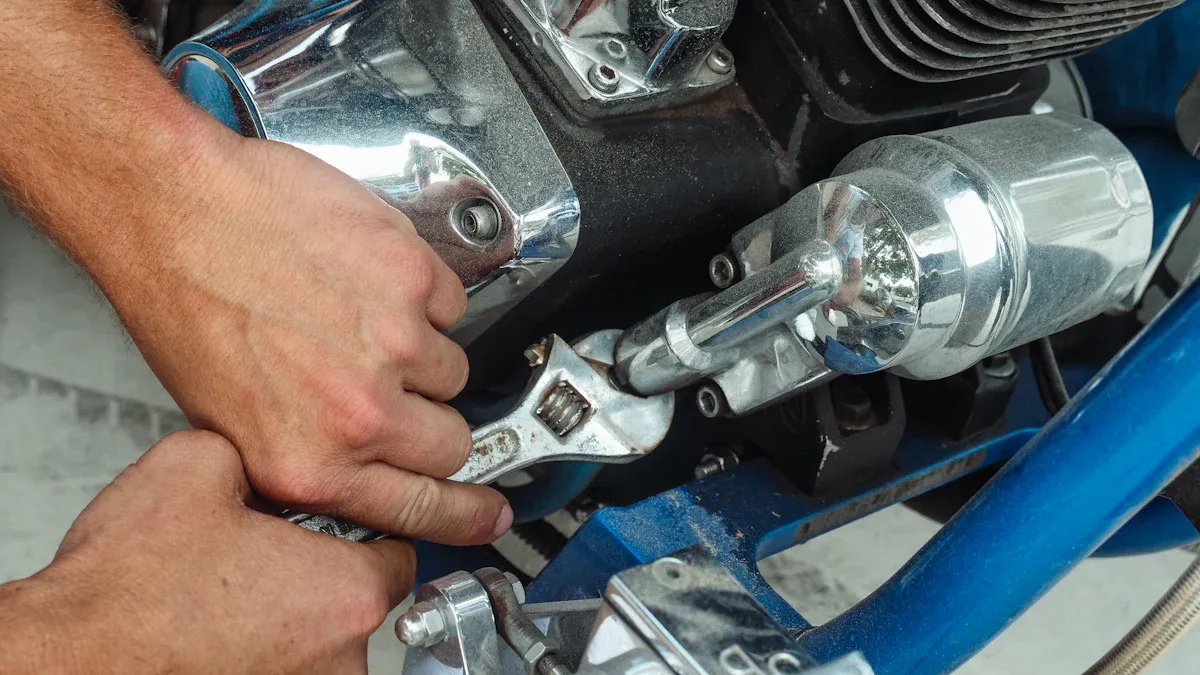
You might wonder if you can replace engine mounts yourself or if you should leave it to the pros. Both options have their perks and drawbacks. If you enjoy working on your car and have some experience, DIY replacement could save you money. You need tools like an engine support bar, a jack with a wood block, and a torque wrench. The job takes anywhere from two to six hours, depending on your car’s design and how rusty the bolts are. You must support the engine safely and follow service instructions closely.
Professional mechanics have the right equipment and know-how. They use lifts, support fixtures, and special tools. Most shops finish the job in less time—usually between 1.5 and 4 hours. You pay more for labor, but you get a warranty and peace of mind. If you try DIY, you risk damaging oil pans or mis-torquing bolts. Shops handle tricky hardware and active mounts with scan tools.
Here’s a quick comparison:
| Aspect | DIY Replacement | Professional Service |
|---|---|---|
| Skill Level | Intermediate to advanced | Experienced techs |
| Tools | Support bar, jack, torque wrench | Full lift, OE tools, scan tools |
| Time | 2–6 hours | 1.5–4 hours |
| Risks | Damage, mis-torquing | Very low, warranty included |
| Cost | Parts only ($50–$600) | Higher labor, correct install |
Tip: DIY is cheaper, but professional service is faster and safer.
Picking the right engine mounts matters for your car’s comfort and performance. You want mounts that match your vehicle’s needs. Rubber mounts work best for stock engines because they dampen noise and vibration. If you drive a modified car or want more power transfer, polyurethane mounts offer extra rigidity. Hydraulic mounts suit vehicles that need smoother rides.
You should check the quality of materials. High-grade rubber and reinforced steel or aluminum brackets last longer. Manufacturers test mounts for vibration, load capacity, and corrosion resistance. Look for suppliers with certifications like ISO 9001 or IATF 16949. Ask for material test reports to make sure you get durable parts.
Here’s what to look for:
| Criteria | Details |
|---|---|
| Types of Engine Mounts | Hydraulic, Solid Rubber, Polyurethane |
| Material Quality | High-grade rubber, reinforced steel/aluminum |
| Testing Standards | Vibration, load, and salt spray tests |
| Supplier Evaluation | Certifications, material test reports |
Understand which mount type fits your car.
Check for strong, tested materials.
Make sure the supplier meets industry standards.
Audit suppliers to avoid scams.
Note: The right mount keeps your engine stable and your ride smooth.
Once you replace your engine mounts, you need to check a few things to make sure everything works well. Start your car and listen for unusual noises. Watch the engine as it idles. It should sit steady without extra movement. Take a short drive and pay attention to vibration and handling. If you feel less shaking and hear fewer clunks, you did the job right.
Engine mounts rarely fail before 80,000 miles on unmodified cars. Most mounts last the life of the vehicle, but you should expect to replace them at least once. Here’s a quick look at how long mounts usually last:
| Statement | Mileage Expectation |
|---|---|
| Engine mounts rarely go out on unmodified cars | > 80,000 miles |
| Motor mounts are supposed to last the life of the car | Life of the car |
| Motor mounts are wear-related parts, replaced at least once | At least once |
Keep an eye on your mounts during regular maintenance. If you notice new vibrations or noises, check them again. Good mounts protect your engine and keep your car safe.
️ Tip: After replacing mounts, always double-check torque specs and look for leaks or misalignment.
Most cars use 2-4 engine mounts, but your exact number can vary. Knowing your count helps you spot issues early and keeps your ride safe. The engine mount market keeps growing as more drivers care about smooth, reliable vehicles. If you ever feel unsure, check your manual, visit trusted sites like Carparts.com, or ask a mechanic.
Watch for signs of wear, like cracks or leaks.
Test drive your car and listen for odd noises.
Replace mounts quickly if you notice problems.
Regular checks and prompt repairs protect your engine and boost performance. Bad alignment can cut efficiency by up to 20%, so stay alert!
You might feel more vibration, hear clunking noises, or see your engine move too much. If you notice these signs, check your mounts or ask a mechanic for help.
You can drive for a short time, but it’s risky. A broken mount can damage your engine or other parts. Get it fixed as soon as possible for safety.
Most people pay between $300 and $1,200, depending on your car and how many mounts you need. Labor and parts both affect the price.
No, they don’t. Most cars have two to four mounts. Some trucks or luxury cars use more for extra support and comfort.
If you have the right tools and some experience, you can try. It takes time and care. If you feel unsure, let a professional handle it.
Bad mounts can lead to more engine movement, extra noise, and even damage to other parts. You might also notice rougher rides and less control.
Engine mounts often last over 80,000 miles. If you drive gently and keep up with maintenance, they can last even longer.
