+86-13735376777 tosenauto@gmail.com



When you ask how hot a car engine gets, you see that different parts get very different temperatures. The combustion chamber can reach thousands of degrees Fahrenheit. The cylinder head often stays above 300°F. Exhaust systems may go over 1,000°F. Coolant usually runs between 230°F and 250°F. The thermostat opens between 180°F and 200°F to help control heat. Engine oil usually stays near 212°F. Knowing these numbers helps you understand Car Engine Temperature. Keeping your engine cool protects its health.
The combustion chamber gets very hot, up to 5,000°F in gasoline engines. Knowing this shows why engines need strong materials.
Watch your cylinder head temperature. It often goes over 300°F. Overheating signs are steam under the hood and a red temperature gauge.
Exhaust systems can get hotter than 1,000°F. Check the exhaust manifold and catalytic converter often. This helps stop damage and keeps your car working well.
Keep engine coolant between 195°F and 220°F. This is important to stop overheating and helps your engine run smoothly.
Engine oil should stay between 210°F and 230°F. Change oil often and use the right kind. This helps keep oil at a safe temperature.
How you drive changes engine temperature. Fast driving and towing heavy things make more heat. Watch your temperature gauge during these times.
Take care of the cooling system often. Check coolant levels and look at hoses. Make sure the radiator and thermostat work right.
Know that outside temperature and altitude matter. These things can change how your engine works and cools down.
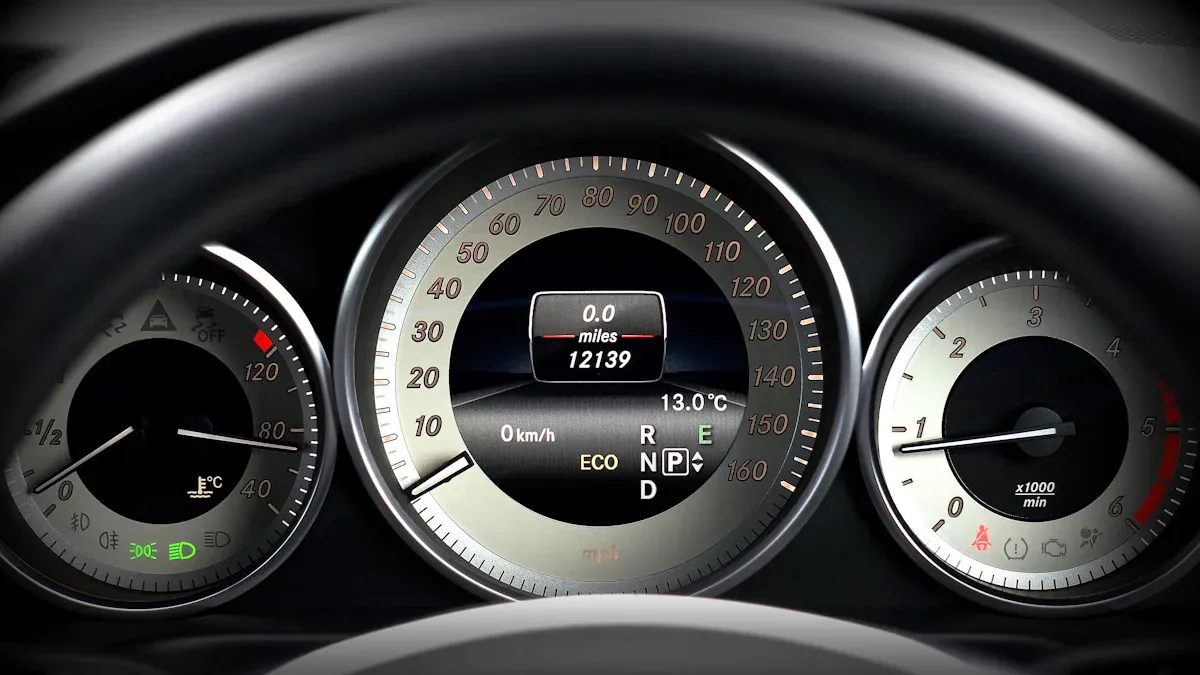
The hottest part of the engine is the combustion chamber. When fuel and air mix, they burn and make a lot of heat. Gasoline engines can get as hot as 5,000°F. Diesel engines also get very hot, reaching about 3,680°F. These high temperatures help burn fuel all the way. This makes the car move.
Gasoline engine combustion chamber: up to 5,000°F
Diesel engine combustion chamber: about 2,300 K (3,680°F)
The combustion chamber needs strong materials to handle the heat. Makers use tough metals and special coatings. If the metal is not strong enough, it can crack or bend. This can break the engine. Strong materials keep your engine safe when it gets hot.
The cylinder head sits on top of the combustion chamber. It gets very hot during driving. Most cylinder heads are hotter than 300°F. The temperature changes with engine type and how hard you drive. Aluminum heads cool faster than cast iron heads. Both types need to handle a lot of heat.
| Factor | Description |
|---|---|
| Materials | The kind of metal in the cylinder head changes how well it handles heat. |
| Thermal Loads | Hot gases and changing temperatures affect how hot the cylinder head gets. |
| Mechanical Loads | Gas pressure inside the cylinder head adds stress. |
| Manufacturing Processes | How the cylinder head is made can change how strong it is. |
| Heat Treatment | T7 heat treatment helps aluminum heads stay the right shape and not bend. |
If the cylinder head gets too hot, you may see problems. The engine might lose power. You could see steam under the hood. The temperature gauge might go into the red zone. Too much heat can bend or crack the cylinder head. This can break the head gasket or damage the engine.
If the engine gets too hot, the metal can bend. This makes the surface uneven and breaks the seal with the engine block. A blown head gasket can happen. Sometimes, the head needs to be fixed or replaced to work right again.
The exhaust manifold takes hot gases from the engine. It sends them out of the car. This part gets very hot, often over 1,000°F. The temperature depends on how hard you drive and your engine type. High heat in the exhaust manifold burns leftover fuel. It also helps keep pollution low.
Exhaust manifold temperatures: often over 1,000°F
The catalytic converter is in the exhaust system. It cleans harmful gases. It starts working at about 600°F. During normal driving, it can reach 1,400°F. Sometimes, it gets hotter than 2,000°F. If it gets too hot, the inside can melt or break. The metals that clean the exhaust can also get damaged.
Catalytic converter starts working: ~600°F
Normal operating range: ~1,400°F
Risk of damage: above 2,000°F
You need to keep all engine parts at safe temperatures. The cooling system moves coolant through the engine and radiator. If the cooling system stops working, parts can get too hot fast. This can cause big engine problems. Always watch your temperature gauge and check for leaks.
You need to know how hot your engine coolant gets during normal driving. Most vehicles keep the coolant between 195°F and 220°F. This range helps your engine run well and keeps it from getting too hot. Some car makers may set the range a little higher or lower, but most stay close to these numbers. When you see your temperature gauge in the middle, your coolant is likely in the safe zone.
Coolant does more than just move heat away from the engine. It protects metal parts from rust and stops the engine from freezing in winter. When your engine runs, the coolant flows through passages in the engine block and cylinder head. The radiator cools the hot coolant before it goes back into the engine. If the coolant gets too hot or too low, your engine can overheat fast. Always check your coolant level and look for leaks.
Tip: If you notice your temperature gauge rising above normal, pull over safely and let the engine cool. Never open the radiator cap when the engine is hot.
Engine oil also plays a big part in keeping your engine safe. Oil cools moving parts and reduces friction. The right oil temperature helps your engine last longer. Here is a table that shows the best oil temperature ranges for most cars:
| Temperature Range | Description |
|---|---|
| 195°F to 220°F | General range for normal driving conditions |
| 230°F to 250°F | Slightly higher temperatures during strenuous driving |
| 210°F to 230°F | Good target for optimal oil performance and longevity |
You want your oil to stay in the 210°F to 230°F range for the best performance. If oil gets too hot, it can break down and stop protecting your engine.
You can help manage oil temperature by keeping your engine in good shape. Change your oil on time and use the type your car maker recommends. Some cars have oil coolers to help keep oil from getting too hot. If you drive hard or tow heavy loads, your oil may get hotter than normal. Watch your oil temperature gauge if your car has one. If you notice high readings, slow down and let the engine cool.
Car Engine Temperature depends on both coolant and oil working together. When both stay in their safe ranges, your engine runs better and lasts longer.
When you drive fast, your engine works much harder. The pistons move quicker, and fuel burns faster. This makes more heat inside the engine. If you keep driving fast, the temperature can go up. Racing or driving on highways pushes your engine a lot. You should watch the temperature gauge during these times. If the needle gets close to red, slow down and let the engine cool.
Towing heavy things also makes the engine hotter. The engine needs more power to pull extra weight. This extra work makes the engine heat up more. If you tow a trailer or carry heavy stuff, check the temperature gauge often. You may need to stop and let the engine rest if it gets too hot. Using the right gear and driving steady helps keep the temperature safe.
The cooling system stops the engine from getting too hot. The radiator is very important. It takes hot coolant from the engine and cools it down. Then it sends the coolant back to the engine. The radiator uses air and a fan to cool the fluid. If the radiator does not work, heat stays in the engine. This can cause big problems.
The cooling system has:
Coolant to move heat
Thermostat to control coolant flow
Water pump to move coolant
Radiator to cool the fluid
Cooling fan to help the radiator
Pressure cap to keep the system closed
If any part of the cooling system breaks, the engine can get too hot. You should check for leaks, old hoses, or a broken fan. Fixing these problems early can save you money.
The thermostat controls when coolant moves through the engine. It stays closed when the engine is cold. This helps the engine warm up fast. When the engine gets hot enough, the thermostat opens. This lets coolant flow and keeps the temperature steady. If the thermostat stays closed, the engine can get too hot. If it stays open, the engine may run too cool and not work well. You should replace a broken thermostat right away.
Tip: Check your cooling system often to stop overheating and keep your car running well.
Engine makers pick materials that handle heat well. Aluminum and cast iron are used a lot. Aluminum cools faster and is lighter. Cast iron is strong and lasts a long time. Some parts have special coatings to stop heat and rust. Good materials help the engine stay safe when it gets hot.
Turbochargers make engines more powerful by pushing in more air. The turbo uses exhaust gases that can get over 1,875°F. This adds more heat to the engine. Turbocharged engines use strong materials to handle heat and stress. High turbo manifold heat can cause problems and change how the engine works. Turbochargers also make the air going in hotter. You should watch the temperature gauge if your car has a turbo. Let the engine cool after hard driving to protect the turbo and other parts.
Car Engine Temperature depends on how you drive, how well the cooling system works, and the engine’s design. Watching these things helps keep your engine safe and working well.
Your car engine works in the real world. The weather and where you drive change how hot it gets. Two main things are air temperature and altitude. You should know how these affect your engine. This helps your car run well everywhere.
Ambient temperature is the air around your car. It can change with the seasons or where you are. Cold weather and hot weather make your engine act differently.
In cold places, engine oil gets thick. Thick oil moves slowly. The engine works harder to move its parts. This makes starting harder and lowers efficiency until it warms up.
Cold air slows chemical reactions in the engine. The engine takes longer to get warm. Your heater may also take longer to blow warm air.
In hot places, the engine has a different problem. High outside temperatures make cooling harder. The radiator and coolant must work more to move heat away.
Warm air makes the engine run hotter. This wears out engine parts faster. If the cooling system is weak, the engine can overheat quickly.
Tip: Always check coolant and oil before driving in very hot or cold weather. This helps your engine handle tough conditions.
Altitude means how high you are above sea level. Driving up mountains or living high up changes the air. Thin air has less oxygen. This changes how your engine works.
At high altitudes, air is less dense. The engine gets less oxygen each time it takes in air. This lowers engine power and makes your car feel slower.
Thin air also cools the engine less. Air helps carry heat away. With less air, the engine may run hotter, especially if you drive hard.
Humidity can go up when it is hot. More water vapor in the air lowers engine power more. The engine may not work as well as it does at lower altitudes.
Watch how your car feels in the mountains or during heatwaves. If the temperature gauge goes up, slow down and let the engine cool. Keep your cooling system working well, especially if you travel to places with big changes in temperature or altitude.
Note: Some new cars change fuel and air mixtures by themselves to help with altitude and temperature. Still, you should watch your gauges and listen for problems.
When you know how the environment affects your engine, you can protect it. This helps stop overheating and keeps your car running well everywhere.
It is important to know your car’s safe temperature range. Car makers set these limits to protect your engine. Older cars usually run between 180°F and 220°F. Newer cars often run between 203°F and 221°F. You can find the exact numbers in your owner’s manual. Here is a table that shows the usual ranges:
| Vehicle Type | Low End (°C) | High End (°C) | Low End (°F) | High End (°F) |
|---|---|---|---|---|
| Older Vehicles | 82 | 105 | 180 | 220 |
| Modern Vehicles | 95 | 105 | 203 | 221 |
Keeping your engine in these ranges helps stop damage. It also helps your car run well.
Engines have different normal temperatures. Gasoline engines usually run at about 176°F. Diesel engines often reach around 194°F. Many new engines work best between 212°F and 221°F. You should know your car’s type and check the gauge often.
Gasoline engines: about 176°F
Diesel engines: about 194°F
Modern engines: 212°F–221°F
If you drive a newer car, higher numbers are normal. This is because of modern engine designs.
Your dashboard can help you spot overheating early. Look for warning lights or messages about high temperature. Some cars show a thermometer symbol or a red light. If you see these, stop and let the engine cool.
You can also notice overheating by watching and listening. Here are some signs:
Steam coming from under the hood
Thumping or knocking sounds
Less power
Burning smell
Smoke or steam
Hot bonnet
Tip: If you see steam or smell burning, turn off the engine. Wait for it to cool before you look under the hood.
High temperatures can cause big problems. Overheating may bend engine parts or blow the head gasket. Oil and coolant can mix and hurt the engine inside. Sometimes, the engine may shut down fast, which can be dangerous.
| Consequence | Description |
|---|---|
| Engine Warping and Head Gasket Failure | Overheating can bend engine parts and blow the head gasket. Oil and coolant can mix and cause bad damage. |
| Increased Risk of Vehicle Fires | Too much heat can start fires in the car. |
| Sudden Vehicle Shutdowns | An overheated engine can shut down quickly and cause accidents. |
| Transmission Damage | Heat can hurt the transmission and make gears slip or fail. |
If your engine gets too hot, you lose power and efficiency. The car may slow down or not speed up well. You might hear strange sounds or feel rough driving. Keeping Car Engine Temperature safe helps you avoid these problems and keeps your car reliable.
Engines work best when they are at the right temperature. When this happens, fuel burns better. This helps your car run well and saves gas. In cold weather, engines warm up slower. They use more fuel until they get warm. Oil also gets thicker when it is cold. Thick oil makes the engine work harder.
Engines warm up slower in cold weather.
Cold engines use more fuel while warming up.
Thick oil in cold weather makes the engine use more fuel.
If your engine gets too hot, it uses more gas. Overheating can make the engine run rough or lose power. You might need to buy gas more often. High heat can also hurt engine parts. This can cost a lot to fix. Keeping your engine at the right temperature saves gas and money.
You can help your engine stay cool by checking coolant often. Here are some steps to keep your car safe:
Check coolant every 3 to 6 months.
Look for loose parts or old hoses in the cooling system.
Test coolant at least two times a year, before summer and winter.
Change coolant when your manual says or if it is old.
Tip: Let the engine cool down before you open the radiator cap.
Oil helps keep the engine cool. You should check oil level and quality often. If oil looks dirty or smells burnt, change it soon. Use the oil your car maker says to use. Clean oil helps engine parts move and keeps heat down.
Seasons change how your engine handles heat. In summer, hot weather can make engines overheat if coolant is low. Fluids can dry up faster, so check them more often. In winter, oil and coolant get thick. This makes it harder to start the engine and puts more stress on parts.
Hot summer days can cause overheating if coolant is low.
Engine fluids dry up faster in hot weather.
Cold winter days make oil and coolant thick, so the engine works harder.
Very hot or cold weather can be tough on engines. In hot weather, the cooling system works harder. Low coolant can cause big engine problems. In freezing weather, coolant can get thick or freeze if mixed wrong. This can block the flow and hurt the engine.
Cold coolant may move slow and not cool well.
Wrong coolant mix can freeze and block the system.
Checking often helps stop overheating and engine damage.
Car Engine Temperature changes with the seasons and how you drive. Checking your car and using good habits keeps your engine healthy all year.
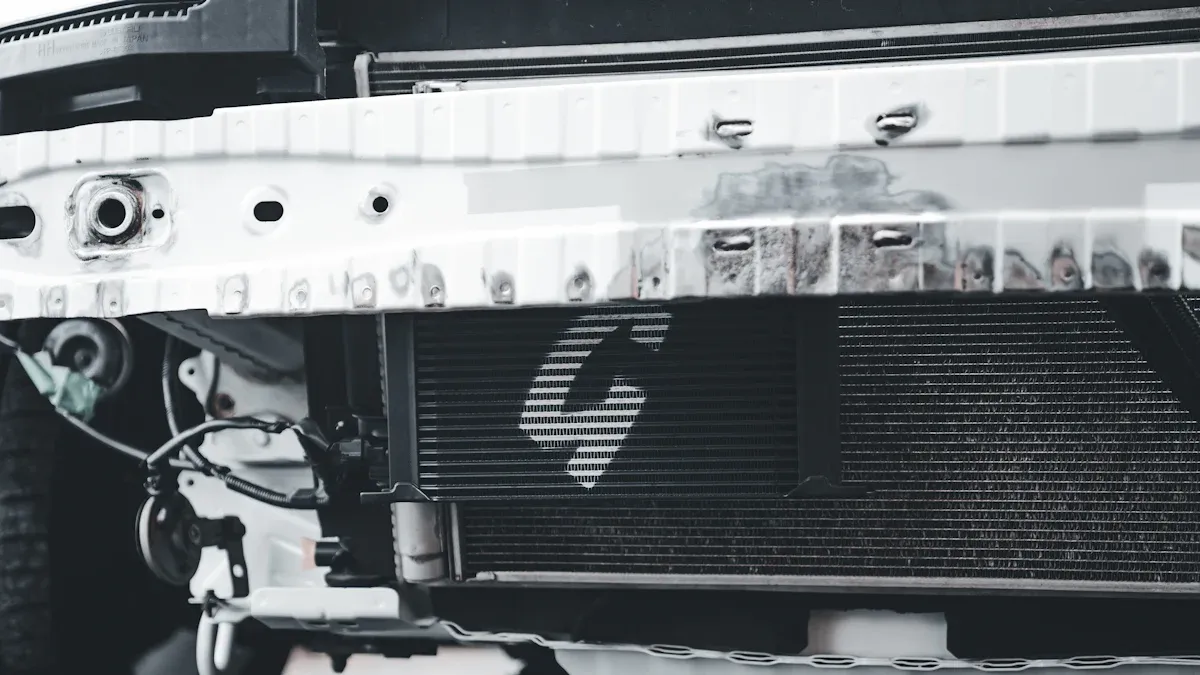
You can keep your engine from overheating by doing regular checks. Car experts say you should do these things:
Look at coolant levels often. If coolant is low, the engine can get hot fast.
Check the thermostat. Change it if you see any problems.
Make sure the water pump works. It moves coolant through the engine.
Clean the radiator. Dirt blocks air and makes cooling harder.
Test cooling fans. They should turn on when the engine gets hot.
Tip: Check these parts every few months. Finding problems early saves money.
Cooling system parts get old and wear out. You need to change hoses, belts, and the radiator cap if they look damaged. A bad water pump or thermostat can make the engine overheat fast. Follow your car’s schedule and use good parts. This helps your engine stay safe and work well.
If your engine gets too hot while driving, you must act quickly. Here is what you should do:
Do not keep driving. This can hurt your engine.
Stay calm. Pull over to a safe place.
Wait before you open the hood. Hot steam can burn you.
Do not hope the problem will go away. Get help soon.
If the temperature gauge goes up, you can:
Add coolant or water if it is low. This is only a quick fix.
Fill the reservoir slowly and carefully.
Start the engine and watch the gauge.
If the temperature is normal, drive slowly to a mechanic.
Note: Never open the radiator cap when the engine is hot. You could get burned.
Call a mechanic if the engine keeps getting hot or if you see steam, smoke, or warning lights. Mechanics know how to find and fix the problem. Ignoring overheating can break your engine.
You can add new parts to help stop overheating. Modern sensors work with dashboard warnings. These sensors tell you right away if the engine gets too hot. Devices like Engine Watchdog give alerts for overheating. Some can turn on extra fans or coolers to lower heat.
Sensors near the engine watch temperature changes.
Alarms warn you if the engine gets too hot.
Some devices help cool the engine by turning on more fans.
Temperature monitors help keep your engine safe. Sensors send data to the car’s computer. The system changes fuel and spark timing to keep things cool. Cooling controls also help keep the temperature safe.
| Function | Description |
|---|---|
| Fuel Injection Timing | Changes for better burning and less pollution. |
| Ignition Timing | Picks the best spark time for engine heat. |
| Cooling System Control | Runs fans and coolant to stop overheating. |
Checking sensors and upgrading them helps protect your car from overheating. You get alerts and can fix problems before they get worse.
Many drivers think wrong things about engine temperature. These myths can make you do things that hurt your engine. Knowing the facts helps your car run better.
Some people say a hotter engine works better. This is not true. Your engine must stay in a safe temperature range. If it gets too hot, parts like the head gasket or cylinder head can get damaged. Overheating also makes your car lose power and use more fuel.
Here are other myths you might hear:
Myth: Coolant is only necessary in summer.
Fact: Coolant protects your engine all year. It stops freezing in winter and keeps rust away.
Myth: Engine overheating is always caused by a faulty cooling system.
Fact: Low coolant, a broken water pump, or other problems can cause overheating too.
Myth: Letting the engine cool down quickly solves the issue.
Fact: Cooling too fast can hurt engine parts. You need to fix the real problem.
Some people think you never need to change coolant. This is not true. Coolant gets old and stops working well. Old coolant cannot stop rust or overheating.
Other myths about coolant and temperature include:
Myth: Removing the thermostat prevents overheating.
Fact: Without a thermostat, coolant moves too fast and does not cool right. Your engine can overheat even faster.
Myth: Water is the best coolant.
Fact: Water can cause rust. Always use a 50/50 mix of distilled water and antifreeze.
Myth: Overfilling the radiator is okay.
Fact: Too much coolant can make air pockets. This causes hot spots and can damage the engine.
Tip: Always follow your car’s schedule for coolant changes. This helps your engine last longer.
You should know what is normal for your engine’s temperature. Overheating can happen in any season, not just summer. Low coolant, a stuck thermostat, or a broken fan can cause trouble even in winter. Running the heater will not fix an overheating engine. It can make things worse because the heater uses engine heat.
The right coolant mix is important. Too much coolant or antifreeze can make cooling worse. Use the recommended 50/50 blend for best results.
| Myth | Reality |
|---|---|
| Overheating only happens in hot weather | Overheating can happen any time if there is a problem |
| Using more coolant is better | Too much coolant can hurt cooling performance |
| Running the heater cools the engine | This can make the problem worse |
Car makers give advice about engine temperature and coolant. They say you need antifreeze even in warm places. Antifreeze raises the boiling point and stops rust. This keeps your engine safe from heat and cold.
Manufacturers also say to use a 50/50 mix of ethylene glycol and water. This mix keeps your engine safe from freezing and overheating. It also stops rust inside the engine. Removing the thermostat is never good. The thermostat controls coolant flow and helps the radiator cool the engine. Without it, your engine can overheat, especially in traffic.
Note: Always check your owner’s manual for the right coolant and when to change it. Following these rules keeps your engine healthy and saves money on repairs.
You now know the main temperature ranges for each engine part. Car Engine Temperature can rise quickly, so you need to watch your gauges and act fast if you see trouble. To keep your engine safe:
Check coolant and oil levels often.
Park in the shade when possible.
Carry coolant and distilled water in your car.
Turn off the air conditioning if the engine gets hot.
Pull over and let the engine cool if overheating continues.
Always read your owner’s manual for the best advice. If problems do not stop, ask a trusted mechanic for help.
Most engines run best between 195°F and 220°F. You should see the temperature gauge stay in the middle. If it goes higher, your engine may overheat.
Overheating can damage engine parts. You might see steam, lose power, or smell something burning. Stop your car, turn off the engine, and let it cool before checking anything.
You should not drive with a hot engine. This can cause serious damage. Pull over safely and let the engine cool. Call for help if the problem does not go away.
You should check your coolant every few months. Always check before long trips or when seasons change. Low coolant can cause overheating.
Turning on the heater can move some heat away from the engine. This is only a short-term fix. You still need to stop and fix the real problem.
You may see the temperature gauge move up and down quickly. The engine may overheat or stay too cool. If you notice these signs, replace the thermostat soon.
Yes, cold weather can make oil thick and slow. The engine may take longer to warm up. Always use the right oil and coolant for winter.
